

Application of TAIKO Dry Screw Vacuum Pumps in High-End CT Equipment Manufacturing
Case Background
In the high-end medical imaging field, particularly in computed tomography (CT) systems, the operational stability and imaging quality of core components like X-ray tubes are directly linked to diagnostic accuracy and efficiency. X-ray tubes must operate in a high-vacuum environment to prevent inter-electrode discharge, filament oxidation, and performance degradation. Traditional oil-sealed rotary vane pumps carry the risk of oil vapor backflow contaminating the vacuum chamber and require frequent maintenance, failing to meet the high cleanliness and reliability standards of modern medical equipment.
Technical Solution
To address these challenges, a leading medical device manufacturer has integrated TAIKO high-performance dry screw vacuum pumps as the core pumping units for the X-ray tube vacuum system in its new flagship CT product.
Key advantages of this solution include:
Absolute Oil-Free Cleanliness: The TAIKO screw pump operates without contact or lubricants between the pumping chamber and rotors, completely eliminating the risk of oil vapor contamination in the X-ray tube and vacuum environment. This ensures pristine and consistent imaging quality.
High Reliability and Long Service Life: With a robust construction and minimal moving parts, the TAIKO screw vacuum pump exhibits extremely low wear. Its stable performance ensures the CT system can handle intensive, continuous scanning workloads in hospital settings, significantly reducing the risk of unexpected downtime.
Low Maintenance Costs: The pump requires no vacuum oil or oil filter replacements. Only periodic replacement of the inlet dust filter is needed, extending maintenance intervals and substantially reducing lifecycle maintenance costs and consumable expenses.
Energy Efficiency: Combined with modern variable frequency drive technology, the pump intelligently adjusts its speed based on the X-ray tube's actual vacuum requirements, operating at low power during vacuum maintenance phases and effectively reducing overall energy consumption.
Conclusion
The TAIKO dry screw vacuum pump, with its clean, reliable, and efficient characteristics, successfully meets the stringent vacuum environment requirements of high-end medical equipment. This case demonstrates that it is not only a key technology for enhancing the performance of medical imaging devices like CT systems but also a reliable driver for advancing medical equipment toward greater sophistication and intelligence.

Exceptional Performance of Dry Vacuum Pumps in Clean Processes for Pharmaceutical API Manufacturing
I. Project Background
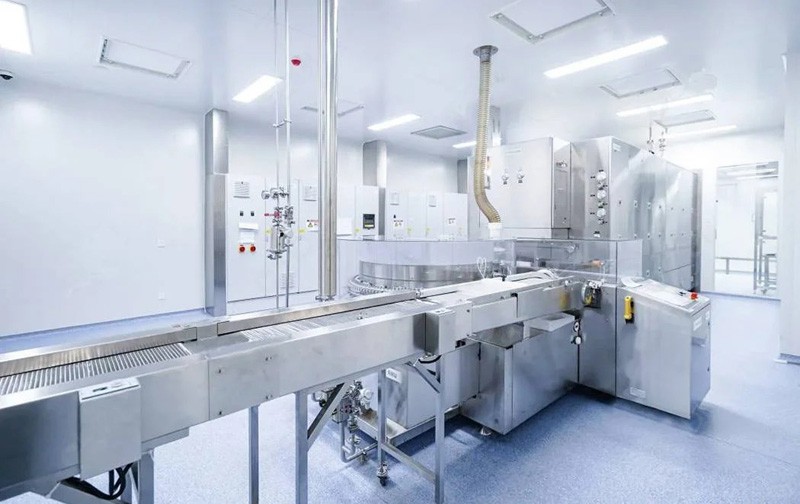
A large pharmaceutical company, operating from a newly GMP-certified active pharmaceutical ingredient (API) production base, required technological upgrades for the synthesis process of a critical anticancer drug. This process involves multiple reaction steps under strictly controlled temperature and vacuum conditions, with the final crystallization and solvent drying stages demanding exceptionally high standards for vacuum system cleanliness, reliability, and corrosion resistance.
Challenges and Limitations of Original Technology
1.Drug Contamination Risk: The mineral oil or water used in the original liquid-ring vacuum pumps posed risks of leakage or backflow, potentially contaminating entire reactor batches. This could lead to the loss of high-value API batches and significant quality control issues.
2.Non-Compliance with GMP Standards: Traditional oil-lubricated rotary vane pumps generated oil mist during operation, and the pump oil itself represented a potential contamination source. Their complex internal structures were difficult to clean thoroughly, failing to meet the pharmaceutical industry's stringent requirements for "easy-to-clean, residue-free" equipment, thereby complicating GMP certification and audits.
3.Solvent Recovery and Environmental Concerns: Large volumes of organic solvents (e.g., dichloromethane, acetone) used in production mixed with the pump's working fluid, generating hazardous waste with high disposal costs, conflicting with green pharmaceutical principles.
4.Maintenance Costs and Downtime Losses: Older vacuum pumps required frequent oil and filter replacements, leading to short maintenance cycles, high spare parts costs, and unplanned downtime that disrupted continuous production schedules.
Solution: Fully Oil-Free Dry Vacuum Pump System
To comprehensively address these issues, the company selected multiple TAIKO Dry Screw Vacuum Pumps constructed from 316L stainless steel, integrated with Clean-in-Place (CIP) functionality for its new production line.
Technical Advantages:
Absolute Cleanliness: The pump chamber operates entirely without oil or water, eliminating the risk of process media contamination at the source.
Compliant Design: High surface finish and smooth internal flow paths with no dead zones facilitate easy cleaning and sterilization, fully aligning with GMP and FDA equipment requirements.
Efficient Solvent Recovery: Volatile solvent vapors are discharged in near-original states, significantly enhancing the efficiency of downstream solvent recovery systems while reducing material loss and environmental impact.

IV. Application Results
Enhanced Quality and Compliance: Successfully passed multiple domestic and international GMP on-site audits, with significantly reduced batch-to-batch variability and zero batch rejections due to equipment contamination.
Significant Operational Cost Reduction:
Consumable Savings: Eliminated costs associated with pump oil and related filter procurement and replacement.
Energy Reduction: Achieved approximately 25% lower energy consumption compared to the old system.
Hazardous Waste Reduction: Improved solvent recovery rates while avoiding the generation of solvent-contaminated hazardous waste liquids.
Improved Equipment Utilization: The robust construction of TAIKO dry pumps enables extended maintenance intervals, with routine checks requiring minimal effort, resulting in nearly zero unplanned downtime and ensuring continuous, stable production line operation.
Increased Production Flexibility: The pumps efficiently handle condensable and corrosive gases across multiple stages-from reaction and distillation to drying-making them ideal for multi-product line production models common in the pharmaceutical industry.
Conclusion:
In the life-critical pharmaceutical industry, cleanliness, safety, and compliance in production processes are paramount. The TAIKO Dry Vacuum Pump, with its oil-free operation, corrosion resistance, and ease of cleaning, perfectly aligns with the stringent requirements of modern pharmaceutical manufacturing. It serves not only as critical equipment for safeguarding drug quality at the source but also as a strategic choice for pharmaceutical companies aiming to reduce costs, enhance efficiency, and implement sustainable green practices. It has become an indispensable standard in modern API and formulation production lines.