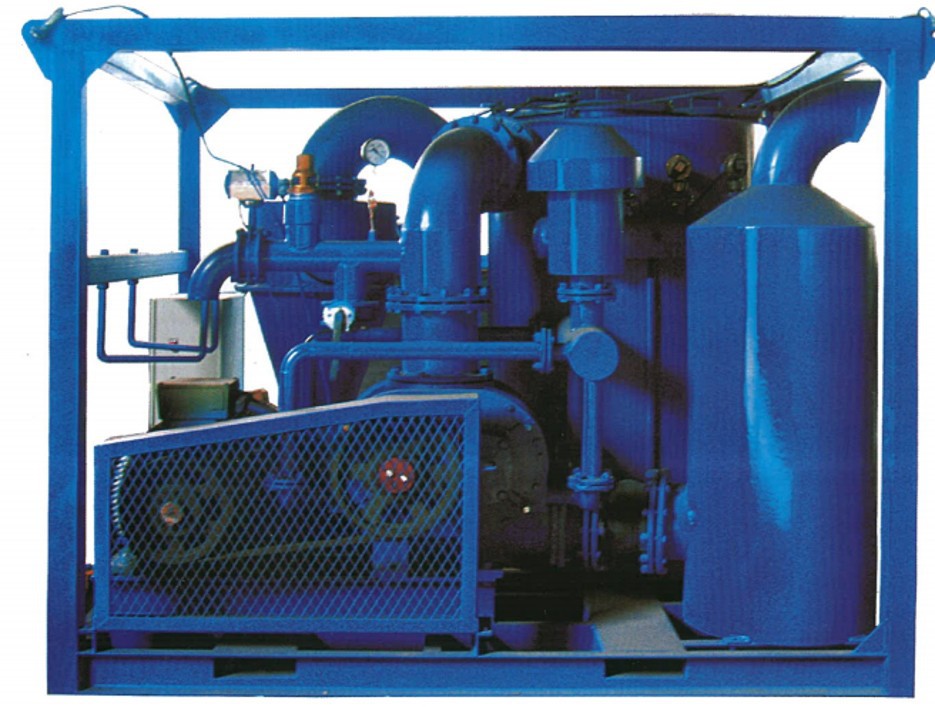
Application of Roots Blower in Shipyard Rust Removal and Sandblasting Machine: A Case Study
Project Background
A large shipyard in Dalian, China, had long relied on imported Roots blowers as the core air supply equipment for its automated rust removal and sandblasting production line. As the equipment aged, the shipyard faced significant challenges, including long lead times for spare parts procurement, slow after-sales service response, and high maintenance costs. These issues severely impacted the continuity and cost-effectiveness of the production line. To reduce dependence on imported equipment, ensure supply chain security, and lower overall costs, the shipyard decided to initiate a localization plan for its core power equipment.
Replacement Plan and Core Equipment
Original Equipment: Imported Roots blowers
Replacement Equipment: SSR Three-Lobe Roots Blowers
Replacement Process and Advantages of SSR Roots Blowers
After rigorous technical evaluation and sample testing, the SSR Roots Blowers demonstrated excellent performance in two core applications of the rust removal and sandblasting machine:
Performance Benchmarking and Seamless Integration:
The SSR Roots Blowers provided stable high-pressure airflow required for sandblasting power. Key performance parameters such as air pressure and air volume fully met and even partially exceeded the standards of the original imported equipment. This ensured strong abrasive jet kinetic energy and maintained the hull rust removal grade consistently at Sa 2.5 or higher.
Enhanced Reliability and Reduced Maintenance Costs:
In the application of negative pressure abrasive recovery and recycling, the SSR Roots Blowers operated smoothly with well-controlled noise and vibration. The most significant advantage was the standardized domestic supply chain, which shortened the spare parts delivery cycle from several months to a few weeks and reduced procurement costs by approximately 50%. Additionally, local engineering teams provided rapid installation, commissioning, and maintenance services, significantly minimizing unplanned downtime.
Replacement Results and Comprehensive Value
After completing the localization replacement, the shipyard achieved comprehensive benefits that exceeded expectations:
Significant Direct Economic Benefits:
Initial equipment procurement costs were reduced by over 40%, while subsequent maintenance and spare parts expenses decreased by approximately 50%, leading to a substantial reduction in the total lifecycle cost.
Improved Operational Efficiency:
Rapid local service ensured the continuous and stable operation of the production line, effectively enhancing overall equipment utilization and avoiding production halts caused by waiting for imported spare parts.
Enhanced Supply Chain Security and Technical Autonomy:
The localization strategy eliminated dependence on imported equipment, strengthened the shipyard's control over core processes, and provided strong support for the sustainable development of the enterprise.