

As a Drive Gear supplier, I often encounter inquiries from customers regarding the suitability of drive gears in various environments, especially wet conditions. This blog aims to delve into the question: Can a drive gear be used in a wet environment?
Understanding Drive Gears
Before we discuss the use of drive gears in wet environments, let's first understand what drive gears are. Drive gears are mechanical components used to transmit power and motion between rotating shafts. They come in various types, such as spur gears, helical gears, bevel gears, and worm gears, each with its own unique characteristics and applications.
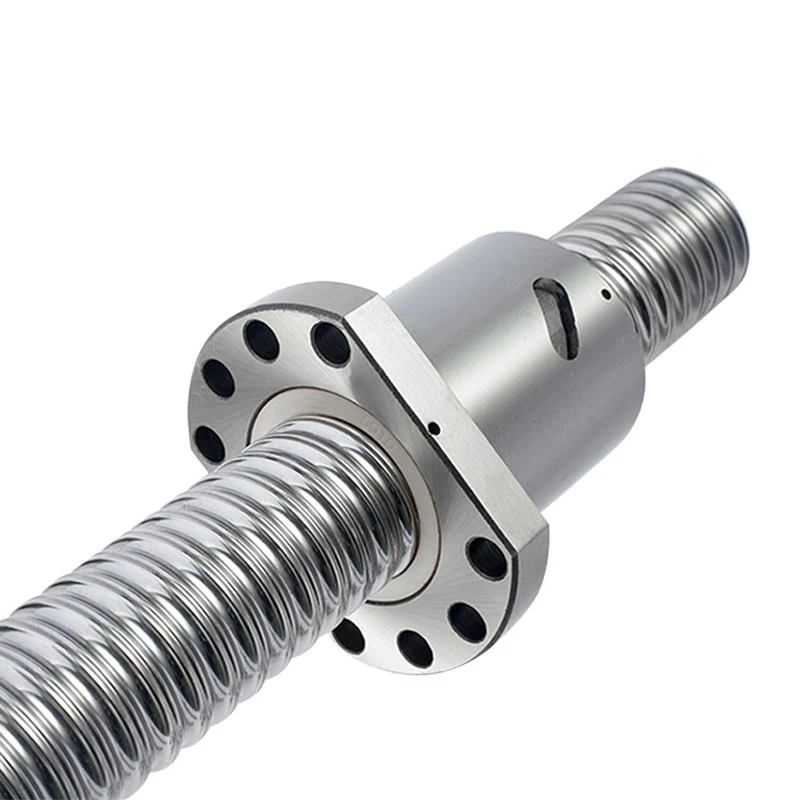
Drive gears play a crucial role in many industries, including automotive, manufacturing, and aerospace. They are used in a wide range of equipment, from simple hand tools to complex machinery. For example, in an automobile, drive gears are used in the transmission system to transfer power from the engine to the wheels. In manufacturing, they are used in Machine Tool Lead Screw systems to control the movement of machine tools.
Challenges of Using Drive Gears in Wet Environments
Using drive gears in wet environments presents several challenges. The primary concern is corrosion. Water, especially if it contains impurities such as salts or acids, can cause rust and corrosion on the surface of the drive gear. Corrosion not only affects the appearance of the gear but also weakens its structural integrity, leading to premature failure.
Another challenge is lubrication. In a wet environment, water can wash away the lubricant on the gear surface, reducing the lubrication effect. This can result in increased friction and wear between the gear teeth, leading to noise, vibration, and reduced efficiency. Additionally, water can react with the lubricant, forming emulsions or sludges that can further damage the gear.
Furthermore, water can cause dimensional changes in the drive gear. Some materials may absorb water, leading to swelling or warping. This can affect the meshing accuracy of the gears, resulting in poor performance and potential damage to the gear system.
Solutions for Using Drive Gears in Wet Environments
Despite the challenges, it is possible to use drive gears in wet environments with the right solutions.
Material Selection
One of the most effective ways to prevent corrosion is to choose the right material for the drive gear. Stainless steel is a popular choice for wet environments due to its excellent corrosion resistance. It contains chromium, which forms a passive oxide layer on the surface of the steel, protecting it from rust and corrosion. Other corrosion-resistant materials include bronze and titanium alloys.
Surface Treatment
Surface treatment can also enhance the corrosion resistance of drive gears. Coating the gear surface with a protective layer, such as zinc plating or epoxy coating, can provide an additional barrier against water and corrosion. Additionally, heat treatment can improve the hardness and wear resistance of the gear, reducing the impact of friction and wear.
Sealing and Lubrication
Proper sealing is essential to prevent water from entering the gear system. Seals can be used to create a barrier between the gear and the wet environment, keeping the lubricant in and the water out. There are various types of seals available, such as O-rings, lip seals, and mechanical seals, each suitable for different applications.

In terms of lubrication, it is important to choose a lubricant that is resistant to water washout. Synthetic lubricants, such as polyalphaolefin (PAO) or polyglycol, are often used in wet environments due to their excellent water resistance and lubrication properties. Additionally, regular lubrication maintenance is necessary to ensure the proper functioning of the drive gear.
Design Considerations
The design of the drive gear system can also affect its performance in wet environments. For example, using a hermetically sealed gearbox can provide better protection against water and dust. Additionally, designing the gear system with proper drainage channels can help remove any water that may enter the system.
Case Studies
To illustrate the practical application of drive gears in wet environments, let's look at some case studies.
Marine Industry
In the marine industry, drive gears are used in various applications, such as ship propulsion systems and winches. These gears are constantly exposed to seawater, which is highly corrosive. To ensure the reliability and durability of the drive gears, shipbuilders often use stainless steel gears with special coatings and seals. Additionally, they use high-performance lubricants that are resistant to seawater.
Food Processing Industry
In the food processing industry, drive gears are used in equipment such as mixers, conveyors, and filling machines. These machines are often cleaned with water and detergents, creating a wet environment. To meet the hygiene requirements of the food industry, manufacturers use drive gears made of food-grade materials, such as stainless steel or plastic. They also design the gear systems with easy-to-clean features and use food-grade lubricants.
Conclusion
In conclusion, while using drive gears in wet environments presents challenges, it is possible to overcome these challenges with the right solutions. By choosing the appropriate material, applying surface treatment, ensuring proper sealing and lubrication, and considering the design of the gear system, drive gears can be used effectively in wet environments.
As a Drive Gear supplier, we offer a wide range of drive gears that are suitable for various environments, including wet conditions. Our drive gears are made of high-quality materials and are manufactured using advanced technology to ensure excellent performance and durability. Whether you need a Drive Belt Pulley or a Drive Gear for your specific application, we can provide you with the right solution.
If you are interested in our drive gears or have any questions about using drive gears in wet environments, please feel free to contact us for a detailed discussion. We look forward to working with you to meet your drive gear needs.
References
- "Mechanical Engineering Design" by Joseph E. Shigley, Charles R. Mischke, and Richard G. Budynas
- "Handbook of Lubrication and Tribology" by Bhushan, Bharat
- "Corrosion Resistance of Metals and Alloys" by George S. Samans