

Pneumatic conveying is a widely used method in various industries for transporting bulk materials through a pipeline using air or gas. It offers several advantages such as flexibility, cleanliness, and the ability to handle a wide range of materials. One of the key components in a pneumatic conveying system is the blower, which provides the necessary air or gas flow and pressure. Among the different types of blowers available, roots blowers are often considered as a potential option. In this blog, as a roots blower supplier, I will explore whether roots blowers can be used for pneumatic conveying and discuss their suitability, advantages, and limitations.
How Roots Blowers Work
Before delving into their application in pneumatic conveying, it's important to understand how roots blowers operate. A roots blower is a type of positive - displacement blower. It consists of two or more lobed rotors that rotate in opposite directions within a housing. As the rotors turn, they trap air or gas in the spaces between the lobes and the housing and then transfer it from the inlet to the outlet. This continuous process creates a steady flow of air or gas at a relatively constant volume, regardless of the pressure changes at the outlet.
Suitability for Pneumatic Conveying
Roots blowers can indeed be used for pneumatic conveying, and they are well - suited for certain types of applications.
Dilute - Phase Conveying
In dilute - phase pneumatic conveying, the material is suspended in a high - velocity air or gas stream. The high - volume, relatively low - pressure airflow provided by roots blowers is ideal for this type of conveying. The constant volume delivery of roots blowers ensures a stable flow rate, which is crucial for maintaining the suspension of the material in the air stream. For example, in industries such as food processing, where fine powders like flour or sugar need to be conveyed over relatively short distances, roots blowers can efficiently move the materials through the pipeline.
Low - Pressure Requirements
Roots blowers are capable of generating pressures typically in the range of a few inches of water column to around 20 - 30 psi. For pneumatic conveying systems with low - pressure requirements, such as those used for conveying light, free - flowing materials like plastic pellets or small seeds, roots blowers can be a cost - effective solution. They can provide the necessary airflow to move the materials without the need for more expensive high - pressure blowers.
Advantages of Using Roots Blowers in Pneumatic Conveying
There are several advantages to using roots blowers in pneumatic conveying systems.
Simple Design and Reliability
Roots blowers have a relatively simple design with few moving parts. This simplicity translates into high reliability and low maintenance requirements. The absence of complex valves or pistons reduces the risk of mechanical failures, making them a reliable choice for continuous operation in industrial settings. For example, in a manufacturing plant where pneumatic conveying is an essential part of the production process, the reliability of roots blowers ensures minimal downtime and consistent material flow.
Energy Efficiency
In applications where the pressure requirements are relatively low, roots blowers can be energy - efficient. Since they operate at a constant volume, they do not waste energy by over - pressurizing the system. Compared to some other types of blowers, roots blowers can provide the required airflow with less energy consumption, resulting in lower operating costs over the long term.
Wide Range of Materials Handling
Roots blowers can handle a wide variety of materials in pneumatic conveying. Whether it's fine powders, granular materials, or even some small - sized solid objects, the gentle airflow they provide can move these materials without causing excessive degradation. For instance, in the pharmaceutical industry, roots blowers can be used to convey delicate drug powders without compromising their quality.
Limitations of Roots Blowers in Pneumatic Conveying
However, roots blowers also have some limitations when it comes to pneumatic conveying.
Limited Pressure Capability
As mentioned earlier, roots blowers are typically limited to relatively low pressures. For applications that require high - pressure conveying, such as long - distance conveying or conveying of dense materials, roots blowers may not be sufficient. In these cases, other types of blowers or compressors, such as centrifugal blowers or reciprocating compressors, may be more appropriate.
Noise and Vibration
Roots blowers can generate significant noise and vibration during operation. This can be a concern in industrial environments where noise pollution needs to be minimized. Special noise - reducing enclosures or vibration - damping mounts may be required to mitigate these issues, which can add to the overall cost of the system.
Applications in Specific Industries
Roots blowers find numerous applications in different industries for pneumatic conveying.
Chemical Industry
In the chemical industry, roots blowers are used to convey various chemicals in powder or granular form. The reliable and gentle airflow they provide ensures that the chemicals are transported safely without reacting with the air or being damaged. For example, they can be used to convey fertilizers or specialty chemicals within a chemical plant.
Mining Industry
In the mining industry, roots blowers can be used for pneumatic conveying of minerals such as coal dust or ore fines. The ability to handle abrasive materials makes them suitable for this application. Vacuum Blower for Abrasive Recovery is a specific type of roots blower that is designed to handle abrasive materials effectively, reducing wear and tear on the equipment.
Power Generation
In power plants, roots blowers are used for FGD Oxidation Blower applications, which are related to flue gas desulfurization. They can also be used for pneumatic conveying of coal powder to the boilers, ensuring a continuous and controlled supply of fuel.
Our Roots Blower Offerings
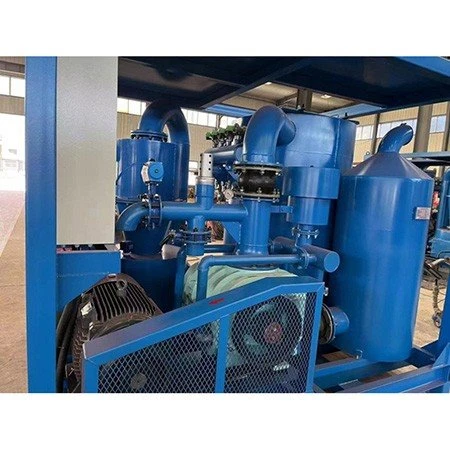
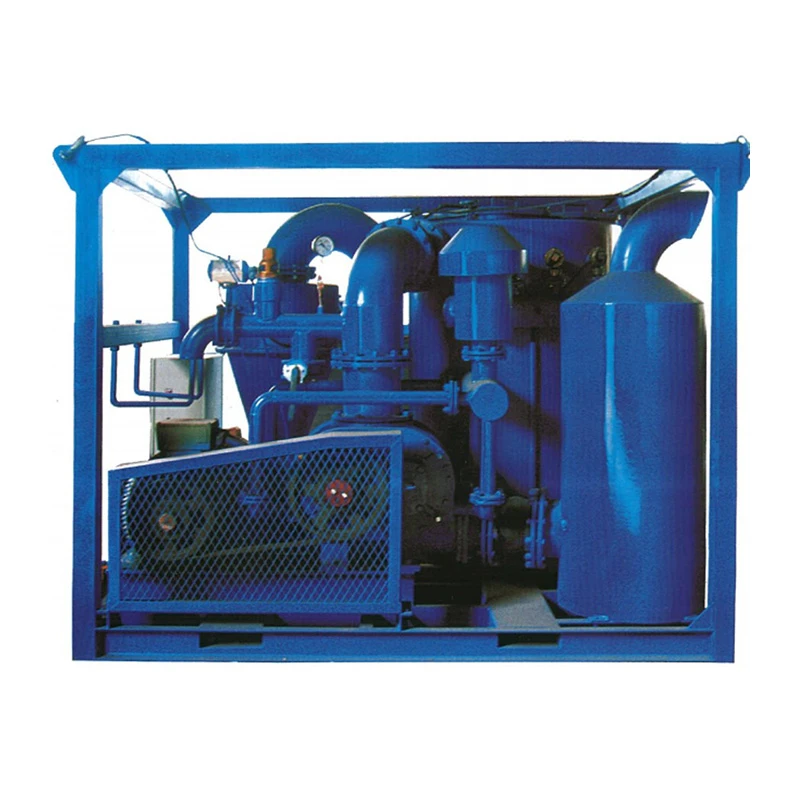
As a roots blower supplier, we offer a wide range of products suitable for pneumatic conveying applications. Our Packaged Roots Blower solutions come pre - assembled and tested, making them easy to install and integrate into existing pneumatic conveying systems. We can customize the blowers according to the specific requirements of our customers, including airflow rate, pressure, and material handling capabilities.
Conclusion
In conclusion, roots blowers can be effectively used for pneumatic conveying, especially in applications with low - pressure requirements and dilute - phase conveying. They offer several advantages such as simplicity, reliability, energy efficiency, and wide - range material handling. However, their limitations in terms of pressure capability and noise generation need to be considered. If you are looking for a reliable and cost - effective solution for your pneumatic conveying needs, our roots blowers may be the right choice for you. We invite you to contact us to discuss your specific requirements and explore how our roots blowers can optimize your pneumatic conveying system.
References
- Perry, R. H., & Green, D. W. (1997). Perry's Chemical Engineers' Handbook. McGraw - Hill.
- Coker, A. K. (2017). Pneumatic Conveying Design Guide. Elsevier.