

When it comes to industrial operations, the choice of a vacuum pump is crucial, and an oil-free vacuum pump stands out for its clean and efficient performance. As a leading supplier of Oil-Free Vacuum Pump, we understand the importance of electrical requirements in ensuring the proper functioning of these pumps. In this blog, we will delve into the electrical requirements for an oil-free vacuum pump, providing you with the knowledge you need to make an informed decision.
Understanding the Basics of Oil-Free Vacuum Pumps
Oil-free vacuum pumps are designed to create a vacuum without the use of oil as a sealing or lubricating medium. This makes them ideal for applications where oil contamination is a concern, such as in the pharmaceutical, food and beverage, and electronics industries. These pumps operate using various technologies, including diaphragm, piston, and scroll designs, each with its own set of electrical requirements.
Voltage and Frequency
One of the primary electrical requirements for an oil-free vacuum pump is the voltage and frequency of the power supply. Most oil-free vacuum pumps are designed to operate on standard electrical voltages, such as 110V or 220V, and frequencies of 50Hz or 60Hz. It is essential to ensure that the power supply matches the specifications of the pump to avoid damage or inefficient operation.
When selecting an oil-free vacuum pump, it is important to consider the voltage and frequency requirements of your facility. If you are operating in a region with a different voltage or frequency standard, you may need to use a transformer or a pump specifically designed for the local power supply.
Power Consumption
The power consumption of an oil-free vacuum pump is another important electrical requirement to consider. Power consumption is typically measured in watts (W) or kilowatts (kW) and is determined by the pump's motor size and operating efficiency. Higher power consumption generally indicates a larger pump or a less efficient design.
When selecting an oil-free vacuum pump, it is important to balance the required pumping speed and vacuum level with the power consumption. A pump with a higher pumping speed may require more power, but it can also reduce the time required to achieve the desired vacuum level. On the other hand, a pump with lower power consumption may be more energy-efficient, but it may take longer to reach the desired vacuum level.
Motor Type and Efficiency
The motor is the heart of an oil-free vacuum pump, and its type and efficiency can significantly impact the pump's performance and electrical requirements. Most oil-free vacuum pumps use electric motors, which can be either single-phase or three-phase depending on the pump's size and application.
Single-phase motors are typically used in smaller pumps and are designed to operate on a single-phase power supply. They are less expensive and easier to install than three-phase motors but may have lower power ratings and efficiency. Three-phase motors, on the other hand, are used in larger pumps and are designed to operate on a three-phase power supply. They are more powerful and efficient than single-phase motors but may require a more complex electrical installation.
In addition to the motor type, the motor's efficiency is also an important consideration. A more efficient motor will consume less power and generate less heat, resulting in lower operating costs and a longer lifespan for the pump. When selecting an oil-free vacuum pump, look for pumps with high-efficiency motors, such as those that meet the Energy Star or IE3 standards.
Control and Protection
Proper control and protection of the oil-free vacuum pump are essential to ensure its safe and reliable operation. Most oil-free vacuum pumps are equipped with a control panel that allows the user to start, stop, and adjust the pump's operation. The control panel may also include indicators for the pump's status, such as the vacuum level, temperature, and motor current.
In addition to the control panel, the oil-free vacuum pump may also be equipped with various protection features to prevent damage to the pump and the electrical system. These protection features may include overcurrent protection, overvoltage protection, undervoltage protection, and thermal protection. Overcurrent protection prevents the motor from drawing too much current, which can cause damage to the motor and the electrical system. Overvoltage protection prevents the pump from being damaged by excessive voltage, while undervoltage protection ensures that the pump operates properly even when the voltage is low. Thermal protection prevents the motor from overheating, which can cause damage to the motor and reduce its lifespan.
Specialized Electrical Requirements for Different Applications
In addition to the basic electrical requirements, some applications may require specialized electrical features or configurations for oil-free vacuum pumps. For example, in the pharmaceutical industry, Pharmaceutical-Grade Vacuum Pump are often required to meet strict regulatory standards, including requirements for electrical safety and cleanliness. These pumps may need to be designed with explosion-proof motors, sealed electrical connections, and easy-to-clean electrical enclosures.
In the semiconductor industry, where precision and reliability are critical, oil-free vacuum pumps may need to have advanced electrical control systems to maintain stable vacuum levels and prevent contamination. These pumps may also be required to operate in a cleanroom environment, which requires special electrical grounding and shielding to minimize electromagnetic interference.
For industrial applications that involve continuous operation, such as in chemical processing or power generation, oil-free vacuum pumps may need to be equipped with redundant electrical systems or backup power supplies to ensure uninterrupted operation in case of a power outage.
The Role of Electrical Compatibility in System Integration
When integrating an oil-free vacuum pump into a larger system, electrical compatibility becomes a crucial factor. The pump must be able to communicate effectively with other components in the system, such as sensors, controllers, and valves. This often requires the use of standardized electrical interfaces and protocols, such as Modbus, Profibus, or Ethernet.
Electrical compatibility also extends to the physical installation of the pump. The electrical cables and connectors used must be rated for the appropriate voltage and current, and they must be properly grounded to prevent electrical hazards. In addition, the pump should be installed in a location that provides easy access to the electrical connections for maintenance and troubleshooting.
Advantages of Meeting Electrical Requirements
Meeting the electrical requirements for an oil-free vacuum pump offers several advantages. First and foremost, it ensures the safe and reliable operation of the pump. By providing the correct voltage, frequency, and power, the pump can operate at its optimal performance level, reducing the risk of breakdowns and downtime.

Secondly, meeting the electrical requirements can improve the energy efficiency of the pump. A pump that is properly matched to the electrical supply will consume less power, resulting in lower operating costs and a reduced environmental impact. Additionally, a more energy-efficient pump generates less heat, which can extend the lifespan of the motor and other components.
Finally, meeting the electrical requirements can help ensure compliance with industry standards and regulations. Many industries have specific electrical safety and performance requirements for vacuum pumps, and by choosing a pump that meets these requirements, you can avoid potential legal issues and ensure the quality of your products or processes.
Conclusion
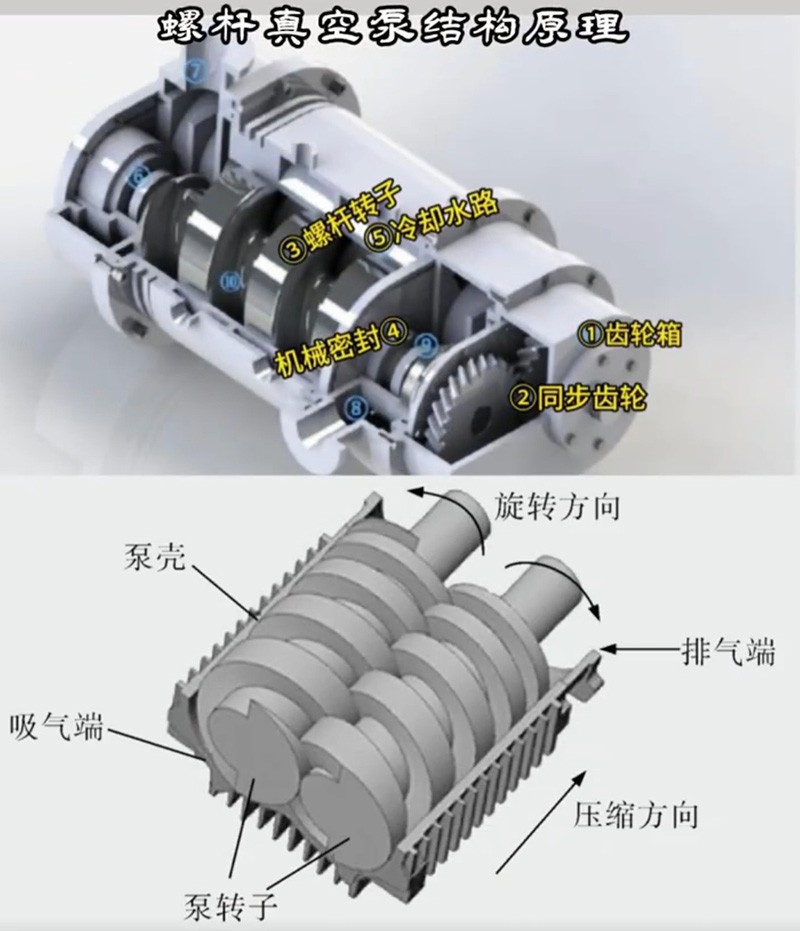
In conclusion, understanding the electrical requirements for an oil-free vacuum pump is essential for ensuring its proper operation, efficiency, and lifespan. When selecting a pump, it is important to consider the voltage and frequency requirements, power consumption, motor type and efficiency, control and protection features, and any specialized electrical requirements for your application. As a leading supplier of Oil-Free Vacuum Pump and Screw Dry Vacuum Pump, we can provide you with the expertise and support you need to choose the right pump for your needs. If you have any questions or would like to discuss your specific requirements, please contact us. We look forward to the opportunity to work with you and help you find the perfect vacuum pump solution.
References
- “Vacuum Pump Handbook,” Leybold Vacuum GmbH.
- “Principles of Vacuum Technology,” O'Hanlon, John F.
- Industry standards and regulations related to electrical safety and vacuum pump operation.