

Hey there! As a tank body supplier, I've been getting a lot of questions lately about the heat - storage capabilities of tank bodies. So, I thought I'd write this blog to share some insights and clear up any confusion.
First off, let's understand what heat storage in a tank body means. Heat storage is all about a tank's ability to hold and preserve thermal energy over a certain period. This is super important in many industries, like solar thermal systems, industrial heating processes, and even in some household applications.
The heat - storage capabilities of a tank body depend on several factors. One of the key factors is the material of the tank. Different materials have different thermal properties. For example, steel tanks are quite common. Steel has a relatively high thermal conductivity, which means it can transfer heat. While this might seem like a drawback for heat storage at first glance, it can be an advantage in some cases. In a solar thermal system, for instance, a steel tank can quickly absorb the heat from the solar collectors. However, steel also loses heat relatively fast. So, if you want to store heat for a long time, you might need to insulate the steel tank properly.
On the other hand, fiberglass tanks have lower thermal conductivity compared to steel. This means they are better at retaining heat. Fiberglass tanks are often used in applications where long - term heat storage is required. They can keep the stored heat inside for a longer period without significant heat loss.
Another factor that affects heat storage is the tank's design. The shape and size of the tank play a role. A larger tank generally has more volume to store heat. A well - designed tank with a proper internal structure can also enhance heat storage. For example, some tanks have baffles inside. These baffles help to create a more uniform temperature distribution within the tank, which is great for efficient heat storage.
Insulation is also a crucial aspect. No matter what material the tank is made of, adding insulation can significantly improve its heat - storage capabilities. There are different types of insulation materials available, such as foam insulation and fiberglass insulation. Foam insulation is lightweight and has good insulating properties. It can be easily applied to the outside of the tank. Fiberglass insulation, on the other hand, is more fire - resistant and can provide long - term insulation.
Now, let's talk about some real - world applications. In solar water heating systems, tank bodies are used to store the hot water heated by solar panels. The heat - storage capabilities of these tanks are vital because the sun doesn't shine all the time. During the day, the tank absorbs and stores the heat from the solar collectors. At night or on cloudy days, the stored heat can be used to provide hot water. A tank with good heat - storage capabilities can ensure a continuous supply of hot water even when the solar input is low.
In industrial processes, tank bodies are used to store heated fluids. For example, in a chemical plant, a tank might be used to store a heated chemical solution. The heat - storage ability of the tank helps to maintain the temperature of the solution, which is often crucial for the chemical reactions to occur properly.
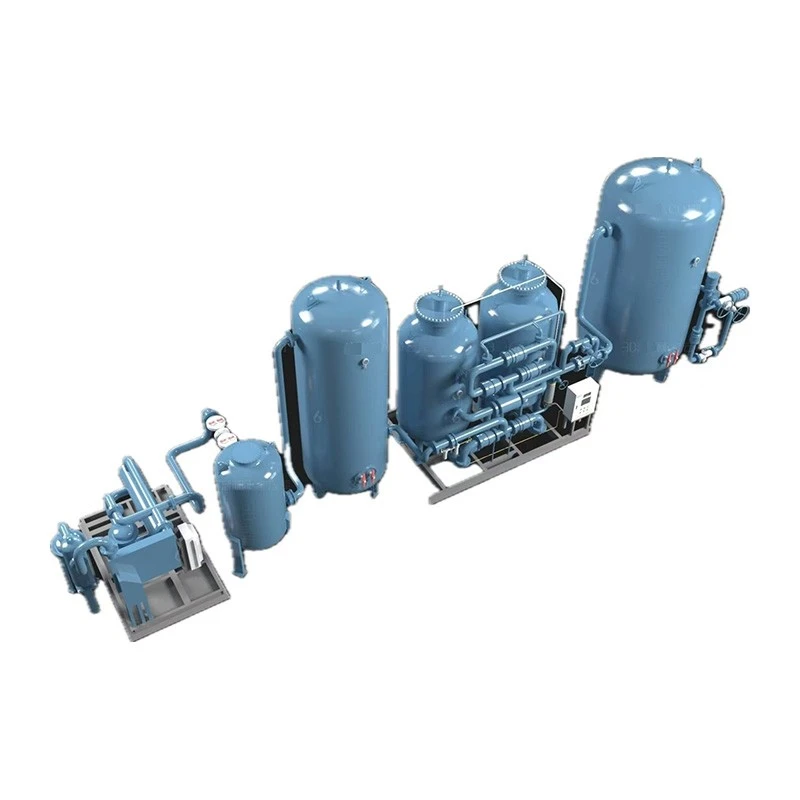
As a tank body supplier, we offer a wide range of tank bodies with different heat - storage capabilities. Our Tank Body products are designed to meet the diverse needs of our customers. Whether you need a tank for a small - scale solar water heating system or a large - scale industrial application, we've got you covered.
We also supply related products like Sheet Metal Component and Silencer. These components can be used in conjunction with our tank bodies to create a more efficient and functional system.

If you're in the market for a tank body with specific heat - storage requirements, don't hesitate to reach out. We have a team of experts who can help you choose the right tank for your application. We can also provide advice on insulation and other factors that can enhance the heat - storage capabilities of your tank.
In conclusion, understanding the heat - storage capabilities of a tank body is essential for making the right choice for your project. Whether it's for domestic or industrial use, a well - chosen tank with good heat - storage properties can save you energy and money in the long run. So, if you have any questions or are interested in purchasing a tank body, just get in touch. We're here to help you make the best decision for your heat - storage needs.
References
- "Thermal Energy Storage: Systems and Applications" by Jay Mathur
- "Solar Thermal Systems Design and Analysis" by Soteris A. Kalogirou