

Hey there! As a supplier of Oil-Free Vacuum Pumps, I've seen firsthand how these nifty machines can make a huge difference in various industries. But like any piece of equipment, they need to be used safely. So, let's dive into the safety precautions you should take when using an oil-free vacuum pump.
1. Read the Manual Thoroughly
I know, I know. Reading manuals can be a real snooze-fest. But trust me, it's super important. The manual that comes with your Oil-Free Vacuum Pump is like a treasure map. It has all the info you need about how to set it up, operate it, and most importantly, keep yourself safe. It'll tell you things like the right voltage to use, how to install it properly, and what kind of maintenance it needs. Skipping this step is like trying to drive a car without knowing where the brakes are.
2. Check the Environment
Before you fire up your oil-free vacuum pump, take a good look at the environment it'll be in. First off, make sure the area is well-ventilated. These pumps can generate heat and sometimes release small amounts of gas during operation. If the space is too stuffy, it can lead to a buildup of heat and potentially harmful fumes. You don't want to end up in a hot, smelly mess, do you?
Also, keep the pump away from any flammable materials. Even though oil-free vacuum pumps are generally safer than their oil-lubricated counterparts, there's still a risk of sparks or overheating. So, no gasoline cans or piles of paper nearby. And make sure the surface where you place the pump is stable and level. You don't want it tipping over and causing a big ol' headache.
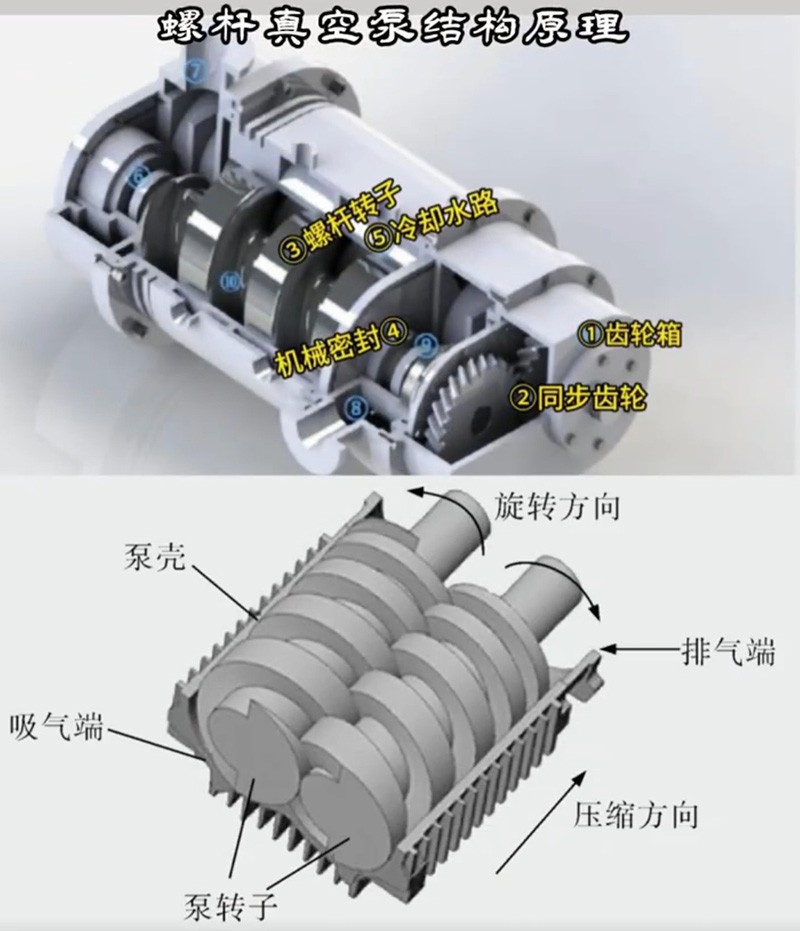

3. Electrical Safety
Let's talk about electricity. It's like the lifeblood of your oil-free vacuum pump, but it can also be dangerous if you're not careful. Always use a properly grounded electrical outlet. This helps prevent electrical shocks and keeps you and the pump safe. If you're using an extension cord, make sure it's in good condition and rated for the power requirements of the pump. A frayed or undersized cord can overheat and start a fire. Yikes!
And never touch the pump or its electrical components with wet hands. Water and electricity are a bad combination, as we all learned in science class. If you need to move the pump or do any maintenance, always unplug it first. It's a simple step, but it can save you from some serious trouble.
4. Wear the Right Gear
When you're working with an oil-free vacuum pump, it's a good idea to wear the right protective gear. Safety glasses are a must. They'll protect your eyes from any debris or particles that might be kicked up during operation. Gloves are also a good choice, especially if you're handling the pump or its components. They can protect your hands from cuts, burns, and chemicals.
If you're working in a noisy environment, consider wearing earplugs or earmuffs. Oil-free vacuum pumps can be pretty loud, and prolonged exposure to loud noise can damage your hearing. So, don't be a hero. Protect your ears!
5. Regular Maintenance
Just like a car needs regular tune-ups, your oil-free vacuum pump needs regular maintenance. This helps keep it running smoothly and safely. Check the pump's filters regularly and replace them when they're dirty. Clogged filters can reduce the pump's efficiency and cause it to overheat.
Inspect the belts, hoses, and other components for signs of wear and tear. If you notice any cracks, leaks, or loose parts, fix them right away. A small problem can quickly turn into a big one if you ignore it. And don't forget to lubricate the moving parts as recommended in the manual. This helps reduce friction and wear, and extends the life of the pump.
6. Handling Chemicals
If your oil-free vacuum pump is used in a process that involves chemicals, you need to be extra careful. Make sure you understand the properties of the chemicals you're working with and follow all the safety guidelines. Some chemicals can be corrosive, flammable, or toxic, so you need to take the appropriate precautions.
Use the right containers and equipment to handle the chemicals. Make sure they're labeled properly and stored in a safe place. And always wear the appropriate protective gear when handling chemicals. If you're not sure how to handle a particular chemical, consult the manufacturer or a safety expert.
7. Emergency Preparedness
Even if you follow all the safety precautions, accidents can still happen. That's why it's important to be prepared for emergencies. Know where the emergency stop button is on the pump and how to use it. In case of a fire, make sure there's a fire extinguisher nearby and that you know how to use it.
Have a first aid kit on hand in case someone gets injured. And make sure everyone who works with the pump knows what to do in case of an emergency. It's better to be safe than sorry, right?
8. Training and Education
If you're using an oil-free vacuum pump in a workplace, it's important to provide proper training and education to your employees. Make sure they understand how to use the pump safely and what the potential hazards are. Provide them with the necessary safety equipment and make sure they know how to use it.
Regularly review the safety procedures with your employees and encourage them to report any safety concerns. By creating a culture of safety, you can reduce the risk of accidents and keep your workplace safe.
9. Compatibility
Make sure the oil-free vacuum pump you're using is compatible with the process you're using it for. Different pumps are designed for different applications, and using the wrong pump can lead to problems. For example, if you're using a pump in a pharmaceutical process, you'll need a Pharmaceutical-Grade Vacuum Pump that meets the strict hygiene and safety standards of the industry.
If you're not sure which pump is right for your application, consult the manufacturer or a technical expert. They can help you choose the right pump and make sure it's installed and operated correctly.
10. Monitoring and Inspection
Regularly monitor the performance of your oil-free vacuum pump. Keep an eye on things like the temperature, pressure, and flow rate. If you notice any changes or abnormalities, investigate them right away. It could be a sign of a problem that needs to be addressed.
Inspect the pump regularly for any signs of damage or wear. This can help you catch problems early and prevent them from getting worse. And don't forget to keep a record of your maintenance and inspection activities. This can help you track the performance of the pump over time and identify any trends or issues.
Well, there you have it! These are some of the key safety precautions you should take when using an oil-free vacuum pump. By following these tips, you can help ensure that your pump operates safely and efficiently, and that you and your employees stay safe.
If you're in the market for an oil-free vacuum pump or have any questions about safety or operation, don't hesitate to reach out. We're here to help you find the right solution for your needs. Whether you're looking for a Screw Dry Vacuum Pump or a pharmaceutical-grade pump, we've got you covered. Let's start a conversation and see how we can work together to get your processes running smoothly and safely.
References
- Manufacturer's manuals for oil-free vacuum pumps
- OSHA (Occupational Safety and Health Administration) guidelines for industrial equipment safety
- Industry standards for vacuum pump operation and maintenance