

Hey there! As a vacuum pump supplier, I often get asked about the difference between continuous - duty and intermittent - duty vacuum pumps. It's a crucial question, especially for those who are in the market for a new vacuum pump. So, let's dive right in and break it down.
What's a Continuous - Duty Vacuum Pump?
A continuous - duty vacuum pump is designed to run non - stop for long periods. Think of it like a workhorse that just keeps going and going. These pumps are built to handle the rigors of constant operation without overheating or wearing out quickly.
One of the main advantages of a continuous - duty vacuum pump is its reliability. In industrial settings where processes run 24/7, you need a pump that can keep up. For example, in a large - scale food packaging plant, the vacuum pumps are used to create a vacuum inside the packaging to preserve the food. These pumps have to work continuously to meet the high production demands.
Another benefit is efficiency. Since continuous - duty pumps are designed for long - term use, they are often optimized for energy efficiency. This means that over time, they can save you a significant amount of money on electricity bills. Some of our Oil - Free Vacuum Pump models are excellent examples of continuous - duty pumps that offer high efficiency. These pumps use advanced technology to reduce energy consumption while maintaining high performance.
However, continuous - duty pumps do come with a higher upfront cost. They are built with better materials and more advanced engineering to ensure their long - term durability. But if you need a pump that can run constantly, the investment is usually worth it.
What's an Intermittent - Duty Vacuum Pump?
On the other hand, an intermittent - duty vacuum pump is meant to be used in short bursts. It's like a sprinter rather than a long - distance runner. These pumps are great for applications where you don't need continuous vacuuming.
For instance, in a small laboratory, you might only need to use a vacuum pump for a few minutes at a time during an experiment. An intermittent - duty pump would be a perfect fit in this situation. It can quickly create the necessary vacuum and then rest until it's needed again.
Intermittent - duty pumps are generally more affordable than continuous - duty pumps. They don't require the same level of heavy - duty construction since they aren't designed for continuous operation. This makes them a great option for small businesses or home workshops with limited budgets.
But there are some limitations. Intermittent - duty pumps are not suitable for continuous use. If you try to run them for too long, they can overheat and break down. They also might not be as efficient as continuous - duty pumps when used for extended periods.
Key Differences
1. Duty Cycle
The most obvious difference is the duty cycle. Continuous - duty pumps can run 100% of the time, while intermittent - duty pumps have a limited duty cycle. For example, an intermittent - duty pump might have a duty cycle of 30%, which means it can run for 30 minutes out of every hour.
2. Construction
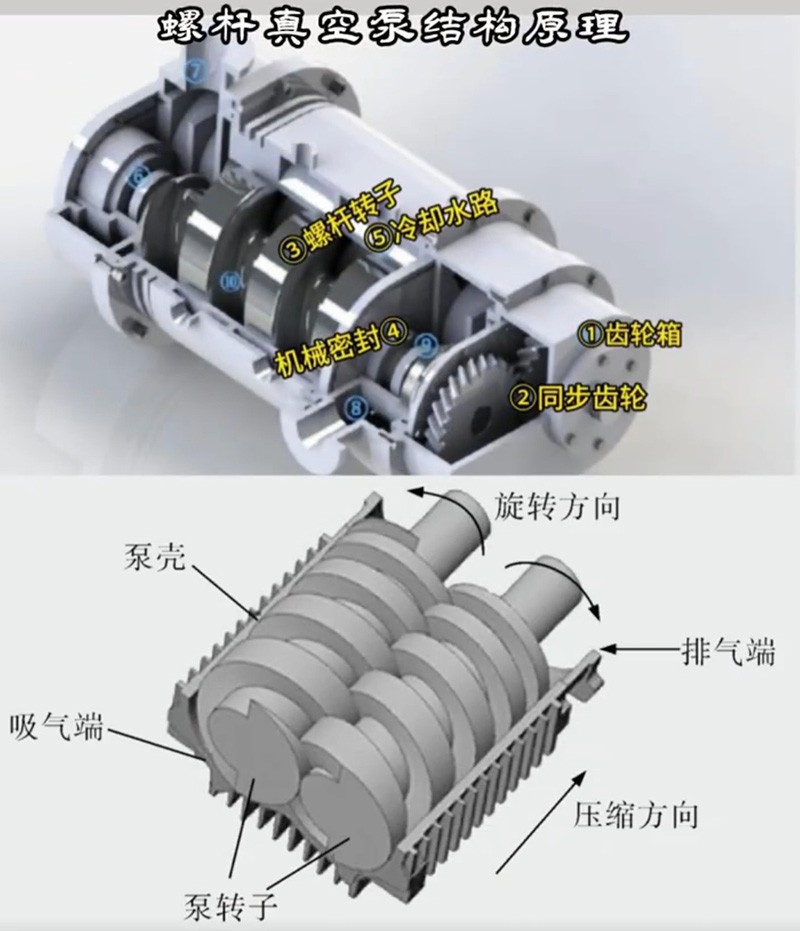
Continuous - duty pumps are built with more robust materials and better cooling systems. They need to withstand the heat generated during long - term operation. Intermittent - duty pumps, on the other hand, have a simpler construction since they don't need to handle the same level of stress.

3. Cost
As mentioned earlier, continuous - duty pumps are more expensive upfront. But when you consider the long - term savings in energy and maintenance, they can be a more cost - effective option for continuous applications. Intermittent - duty pumps are cheaper to buy, but if you use them continuously, you'll end up spending more on repairs and replacements.
4. Applications
Continuous - duty pumps are used in industries such as manufacturing, food processing, and chemical production. Intermittent - duty pumps are commonly found in laboratories, small workshops, and some DIY projects.
Choosing the Right Pump for Your Needs
So, how do you decide which type of pump is right for you? The first step is to understand your application. If you need a pump to run continuously, a continuous - duty pump is the way to go. But if you only need it for short periods, an intermittent - duty pump will be sufficient.
Consider your budget as well. If you have a tight budget and only need occasional use, an intermittent - duty pump might be the best choice. But if you can afford the upfront cost and need long - term reliability, a continuous - duty pump is worth the investment.
We also offer a range of Corrosion - Resistant Vacuum Pump and Screw Dry Vacuum Pump models that are suitable for different applications. Our team of experts can help you choose the right pump based on your specific requirements.
Conclusion
In conclusion, the difference between continuous - duty and intermittent - duty vacuum pumps lies in their design, performance, and cost. Each type has its own advantages and disadvantages, and the right choice depends on your specific needs.
If you're still not sure which pump is right for you, or if you have any other questions about our vacuum pumps, don't hesitate to reach out. We're here to help you make the best decision for your business or project. Whether you need a pump for continuous operation or just occasional use, we have the perfect solution for you. Contact us today to start the procurement discussion and find the ideal vacuum pump for your needs.
References
- Vacuum Pump Handbook, various industry experts
- Manufacturer's specifications for different vacuum pump models