

Roots blowers are widely recognized in various industrial applications for their reliability and efficiency. As a roots blower supplier, I often encounter inquiries about the maximum vacuum degree these machines can achieve. In this blog, I'll delve into the factors influencing the maximum vacuum degree of roots blowers, explore the practical limits, and discuss how this knowledge can benefit your industrial operations.
Understanding Roots Blowers
Before we explore the maximum vacuum degree, it's essential to understand the basic working principle of roots blowers. A roots blower is a positive displacement pump that operates by two rotors rotating in opposite directions within a housing. As the rotors turn, they trap air or gas at the inlet and transfer it to the outlet. This process creates a continuous flow of air or gas, making roots blowers suitable for applications such as pneumatic conveying, wastewater treatment, and combustion air supply.
Factors Affecting the Maximum Vacuum Degree
Several factors influence the maximum vacuum degree that roots blowers can reach. These factors include the design of the blower, the quality of the components, the operating conditions, and the system configuration.
- Blower Design: The design of the roots blower plays a crucial role in determining its maximum vacuum degree. Factors such as the rotor profile, the clearance between the rotors and the housing, and the number of lobes on the rotors can affect the blower's performance. A well-designed roots blower with a precise rotor profile and minimal clearance can achieve a higher vacuum degree than a poorly designed one.
- Component Quality: The quality of the components used in the roots blower also affects its maximum vacuum degree. High-quality materials and precision manufacturing techniques ensure that the blower operates efficiently and reliably. Components such as the rotors, bearings, and seals must be made from materials that can withstand the high pressures and temperatures generated during operation.
- Operating Conditions: The operating conditions of the roots blower, such as the temperature, pressure, and humidity of the gas being handled, can also affect its maximum vacuum degree. Higher temperatures and pressures can reduce the blower's performance, while high humidity can cause corrosion and damage to the components.
- System Configuration: The system configuration in which the roots blower is installed can also affect its maximum vacuum degree. Factors such as the length and diameter of the piping, the presence of valves and fittings, and the type of filter used can all impact the blower's performance. A well-designed system with minimal pressure drop and efficient filtration can help the blower achieve a higher vacuum degree.
Practical Limits of the Maximum Vacuum Degree
While roots blowers are capable of achieving high vacuum degrees, there are practical limits to how low the pressure can go. These limits are determined by the design of the blower, the quality of the components, and the operating conditions.
- Sealing Limitations: One of the main limitations of roots blowers is the sealing between the rotors and the housing. As the vacuum degree increases, the pressure difference between the inlet and outlet of the blower also increases, making it more difficult to maintain a tight seal. This can result in leakage of gas or air, reducing the blower's performance and efficiency.
- Mechanical Limitations: Another limitation of roots blowers is the mechanical strength of the components. As the vacuum degree increases, the forces acting on the rotors and bearings also increase, putting more stress on the components. This can lead to mechanical failure, such as rotor wear, bearing damage, or shaft breakage.
- Gas Properties: The properties of the gas being handled can also affect the maximum vacuum degree that roots blowers can achieve. Some gases, such as hydrogen and helium, have low molecular weights and high diffusivity, making them more difficult to pump than heavier gases. Additionally, gases that are corrosive or reactive can cause damage to the components of the roots blower, reducing its performance and lifespan.
Applications of Roots Blowers at High Vacuum Degrees
Despite the practical limits, roots blowers are still widely used in applications that require high vacuum degrees. Some of these applications include:
- FGD Oxidation Blower: In flue gas desulfurization (FGD) systems, roots blowers are used to supply air for the oxidation of sulfur dioxide (SO2) to sulfur trioxide (SO3). The high vacuum degree achieved by the roots blower ensures efficient oxidation and removal of sulfur from the flue gas.
- Wastewater Treatment Blower: In wastewater treatment plants, roots blowers are used to supply air for the aeration of the wastewater. The high vacuum degree achieved by the roots blower ensures efficient oxygen transfer and promotes the growth of beneficial bacteria, which helps to break down organic matter in the wastewater.
- Packaged Roots Blower: Packaged roots blowers are pre-engineered and pre-assembled units that are designed for easy installation and operation. They are commonly used in applications such as pneumatic conveying, vacuum packaging, and dust collection. The high vacuum degree achieved by the packaged roots blower ensures efficient operation and reliable performance.
Choosing the Right Roots Blower for Your Application
When choosing a roots blower for your application, it's important to consider the maximum vacuum degree required, as well as the other factors discussed above. A reputable roots blower supplier can help you select the right blower for your specific needs and provide you with technical support and advice.
- Consult with a Supplier: Before making a decision, consult with a roots blower supplier who has experience in your industry. They can help you understand the requirements of your application and recommend the right blower for your needs.
- Consider the Operating Conditions: Make sure to consider the operating conditions of the roots blower, such as the temperature, pressure, and humidity of the gas being handled. This will help you choose a blower that can operate efficiently and reliably under your specific conditions.
- Evaluate the Blower's Performance: When evaluating the performance of a roots blower, look at factors such as the maximum vacuum degree, the flow rate, the power consumption, and the noise level. A high-performance blower will provide you with better efficiency and reliability, which can save you money in the long run.
- Check the Warranty and Support: Make sure to check the warranty and support offered by the roots blower supplier. A good warranty and support package will give you peace of mind and ensure that you have access to the resources you need to keep your blower running smoothly.
Conclusion
In conclusion, the maximum vacuum degree that roots blowers can reach is influenced by several factors, including the blower design, the component quality, the operating conditions, and the system configuration. While there are practical limits to how low the pressure can go, roots blowers are still widely used in applications that require high vacuum degrees, such as FGD oxidation, wastewater treatment, and pneumatic conveying.

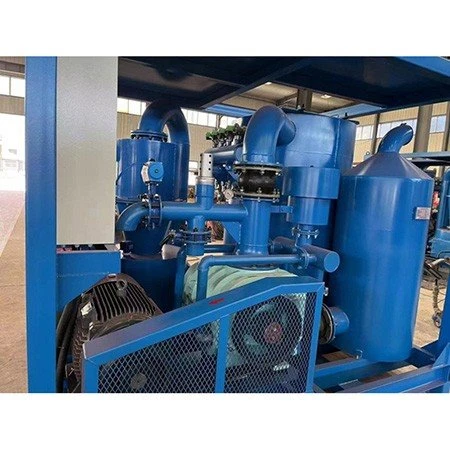
As a roots blower supplier, I understand the importance of choosing the right blower for your application. By considering the factors discussed in this blog and consulting with a reputable supplier, you can select a roots blower that will provide you with the performance, reliability, and efficiency you need to succeed in your industry.
If you're interested in learning more about roots blowers or need help choosing the right blower for your application, please don't hesitate to contact us. We'd be happy to discuss your needs and provide you with a free consultation.
References
- Perry, R. H., & Green, D. W. (Eds.). (1997). Perry's Chemical Engineers' Handbook (7th ed.). McGraw-Hill.
- Stoecker, W. F. (1998). Refrigeration and Air Conditioning (2nd ed.). McGraw-Hill.
- ASME Boiler and Pressure Vessel Code, Section VIII, Division 1. (2019). American Society of Mechanical Engineers.