

As a well - established centrifugal pump supplier, I understand the significance of proper maintenance procedures for centrifugal pumps. These pumps are widely used in various industries, including water treatment, chemical processing, and mining, due to their efficiency and reliability. In this blog, I will delve into the essential maintenance procedures for centrifugal pumps to ensure their optimal performance and longevity.
Pre - Start Maintenance
Before starting a centrifugal pump, a series of checks should be carried out. First, visually inspect the pump and its surroundings. Look for any signs of physical damage, such as cracks in the casing, loose bolts, or worn - out gaskets. A damaged casing can lead to leakage, which not only wastes the pumped fluid but can also cause safety hazards. Loose bolts may result in excessive vibration during operation, which can damage the pump's internal components over time.
Next, check the lubrication levels. Centrifugal pumps typically have bearings that require proper lubrication to reduce friction and prevent overheating. Refer to the pump's manual to determine the correct type and level of lubricant. Insufficient lubrication can cause premature bearing failure, while over - lubrication can lead to increased operating temperatures and potential seal damage.
Verify the alignment of the pump and the motor. Misalignment can cause excessive stress on the pump shaft, bearings, and couplings. Use alignment tools, such as laser alignment devices, to ensure that the pump and motor are properly aligned. This step is crucial as misaligned components can lead to increased vibration, noise, and reduced efficiency.
Check the suction and discharge valves. Ensure that the suction valve is fully open to allow the proper flow of fluid into the pump. The discharge valve should also be in the correct position according to the operating requirements. A closed or partially closed valve can cause cavitation, which is a phenomenon where vapor bubbles form and collapse in the pump, damaging the impeller and other internal parts.
Regular Operational Checks
During normal operation, continuous monitoring of the pump is essential. Monitor the pump's performance parameters, such as flow rate, pressure, and power consumption. Any significant changes in these parameters can indicate potential problems. For example, a sudden drop in flow rate may be due to a clogged impeller or a blockage in the suction or discharge piping. An increase in power consumption could be a sign of mechanical problems, such as a seized bearing or excessive friction.

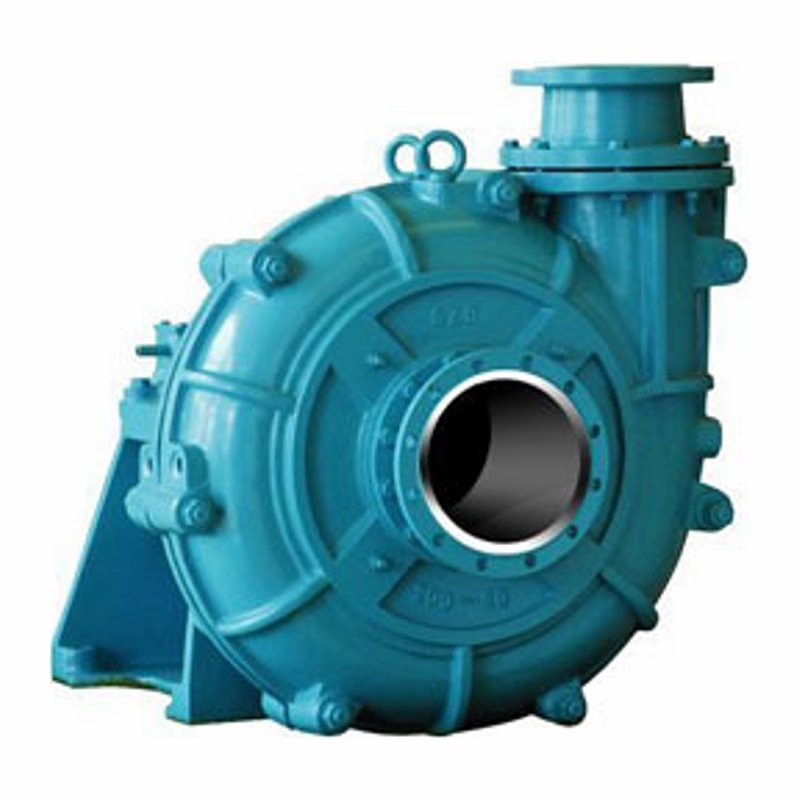
Listen for any abnormal noises or vibrations. Unusual noises, such as rattling, grinding, or screeching, can indicate loose parts, worn - out bearings, or cavitation. Excessive vibration can also be a symptom of misalignment, unbalanced impellers, or loose mounting. If any abnormal noises or vibrations are detected, the pump should be shut down immediately and inspected to prevent further damage.
Check the temperature of the pump and the motor. High temperatures can be a sign of overloading, insufficient lubrication, or poor ventilation. Use infrared thermometers or temperature sensors to monitor the temperature at critical points, such as the bearings and the motor windings. If the temperature exceeds the recommended limits, take appropriate measures, such as reducing the load or increasing the cooling.
Inspect the seals regularly. Leaking seals can lead to fluid loss, contamination, and potential damage to the pump's internal components. Check for any signs of leakage around the shaft seals and the casing gaskets. If a seal is leaking, it should be replaced promptly to prevent further problems.
Periodic Maintenance
In addition to pre - start and operational checks, periodic maintenance is necessary to keep the centrifugal pump in good condition. One of the most important periodic maintenance tasks is the replacement of the lubricant. Over time, the lubricant can break down, become contaminated, or lose its effectiveness. Refer to the pump's manual for the recommended lubricant change intervals. When changing the lubricant, make sure to drain the old lubricant completely and clean the lubrication system before adding the new lubricant.
Inspect and clean the impeller. The impeller is a critical component of the centrifugal pump, as it is responsible for imparting energy to the fluid. Over time, the impeller can become clogged with debris, which can reduce the pump's efficiency. Remove the impeller and clean it thoroughly using a suitable cleaning agent. Check for any signs of wear or damage, such as erosion or corrosion. If the impeller is severely damaged, it should be replaced.
Examine the bearings. Bearings are subject to wear and tear during operation. Inspect the bearings for signs of damage, such as pitting, scoring, or excessive play. Measure the bearing clearance using appropriate tools. If the bearing clearance exceeds the recommended limits, the bearings should be replaced.
Check the mechanical seals. Mechanical seals are used to prevent fluid leakage around the pump shaft. Over time, the seals can wear out, become damaged, or lose their sealing ability. Inspect the mechanical seals for signs of leakage, wear, or damage. Replace the seals if necessary.
Maintenance for Different Types of Centrifugal Pumps
Different types of centrifugal pumps may require specific maintenance procedures. For example, Clean Water Pump are designed to handle clean water or other low - viscosity fluids. These pumps typically have fewer problems with clogging and corrosion compared to pumps used in more demanding applications. However, they still require regular maintenance, such as checking the impeller for wear and ensuring proper lubrication.
Slurry Pump are used to handle abrasive slurries, such as those found in mining and mineral processing. These pumps are subject to severe wear and erosion due to the presence of solid particles in the fluid. Regular inspection and replacement of wear - resistant parts, such as the impeller, casing, and liners, are essential to ensure the pump's performance.
Stainless Steel Mag Drive Pump use a magnetic coupling to transfer power from the motor to the impeller. These pumps are often used in applications where leakage prevention is critical, such as in the chemical industry. Maintenance of mag - drive pumps includes checking the magnetic coupling for proper alignment and strength, as well as monitoring the temperature of the magnetic components to prevent demagnetization.
Conclusion
Proper maintenance of centrifugal pumps is crucial for their reliable operation and long service life. By following the pre - start checks, regular operational monitoring, and periodic maintenance procedures outlined in this blog, you can minimize the risk of pump failures, reduce downtime, and save on repair and replacement costs.
If you are in the market for high - quality centrifugal pumps or need more information on pump maintenance, I encourage you to reach out to us. We have a wide range of centrifugal pumps to meet your specific needs, and our team of experts can provide you with professional advice and support. Contact us today to start a procurement discussion and ensure that you get the best pumping solutions for your applications.
References
- "Centrifugal Pump Handbook" by Igor Karassik et al.
- Manufacturer's manuals for various centrifugal pumps.
- Industry standards and guidelines for pump maintenance.