

What is the corrosion resistance of a centrifugal pump?
As a centrifugal pump supplier, I am often asked about the corrosion resistance of our pumps. Corrosion resistance is a crucial factor when it comes to the performance and longevity of centrifugal pumps, especially in industries where they are exposed to aggressive chemicals, abrasive slurries, or harsh environments. In this blog post, I will delve into the concept of corrosion resistance in centrifugal pumps, discuss the factors that affect it, and highlight the importance of choosing the right pump for your specific application.
Understanding Corrosion in Centrifugal Pumps
Corrosion is a natural process that occurs when a metal reacts with its environment, leading to the deterioration of its physical and chemical properties. In the context of centrifugal pumps, corrosion can have a significant impact on their performance and reliability. When a pump is exposed to corrosive fluids, such as acids, alkalis, or saltwater, the metal components of the pump can gradually degrade, leading to issues such as reduced efficiency, increased maintenance costs, and even pump failure.
There are several types of corrosion that can affect centrifugal pumps, including:

- Uniform Corrosion: This is the most common type of corrosion, where the metal surface corrodes evenly over time. Uniform corrosion can be caused by exposure to corrosive fluids, such as acids or alkalis, and can lead to a reduction in the thickness of the metal components of the pump.
- Pitting Corrosion: Pitting corrosion occurs when small holes or pits form on the metal surface. This type of corrosion can be particularly dangerous, as it can lead to the rapid deterioration of the metal and the formation of leaks in the pump.
- Crevice Corrosion: Crevice corrosion occurs in narrow gaps or crevices between metal components, where the flow of corrosive fluid is restricted. This type of corrosion can be difficult to detect and can lead to the failure of the pump if left untreated.
- Galvanic Corrosion: Galvanic corrosion occurs when two different metals are in contact with each other in the presence of a corrosive fluid. The more active metal will corrode at a faster rate than the less active metal, leading to the deterioration of the pump components.
Factors Affecting Corrosion Resistance
The corrosion resistance of a centrifugal pump depends on several factors, including:
- Material Selection: The choice of materials used in the construction of the pump is one of the most important factors affecting its corrosion resistance. Different materials have different levels of resistance to corrosion, and it is essential to choose the right material for your specific application. For example, stainless steel is a popular choice for pumps used in corrosive environments, as it has excellent resistance to corrosion and is relatively easy to clean and maintain.
- Fluid Properties: The properties of the fluid being pumped, such as its pH, temperature, and chemical composition, can also have a significant impact on the corrosion resistance of the pump. For example, acidic fluids can cause rapid corrosion of metal components, while high-temperature fluids can accelerate the corrosion process.
- Operating Conditions: The operating conditions of the pump, such as the flow rate, pressure, and temperature, can also affect its corrosion resistance. For example, high flow rates can cause erosion and corrosion of the pump components, while high pressures can increase the likelihood of leaks and failures.
- Maintenance and Cleaning: Regular maintenance and cleaning of the pump are essential to ensure its corrosion resistance. This includes inspecting the pump for signs of corrosion, cleaning the pump components to remove any debris or contaminants, and replacing any damaged or worn parts.
Importance of Corrosion Resistance in Centrifugal Pumps
The corrosion resistance of a centrifugal pump is crucial for several reasons, including:
- Performance and Efficiency: Corrosion can cause a reduction in the performance and efficiency of the pump, leading to increased energy consumption and operating costs. By choosing a pump with high corrosion resistance, you can ensure that it operates at peak performance and efficiency for longer periods of time.
- Reliability and Durability: Corrosion can also lead to the failure of the pump, which can result in costly downtime and production losses. By choosing a pump with high corrosion resistance, you can ensure that it is reliable and durable, reducing the risk of unexpected failures and downtime.
- Safety and Environmental Compliance: In some industries, such as the chemical and pharmaceutical industries, the use of pumps with high corrosion resistance is essential to ensure the safety of workers and the environment. By choosing a pump that is resistant to corrosion, you can minimize the risk of leaks and spills, which can have serious consequences for human health and the environment.
Our Centrifugal Pump Offerings
At our company, we offer a wide range of centrifugal pumps with excellent corrosion resistance. Our pumps are designed and manufactured using the latest technology and materials to ensure their performance, reliability, and durability. Some of our popular pump models include:
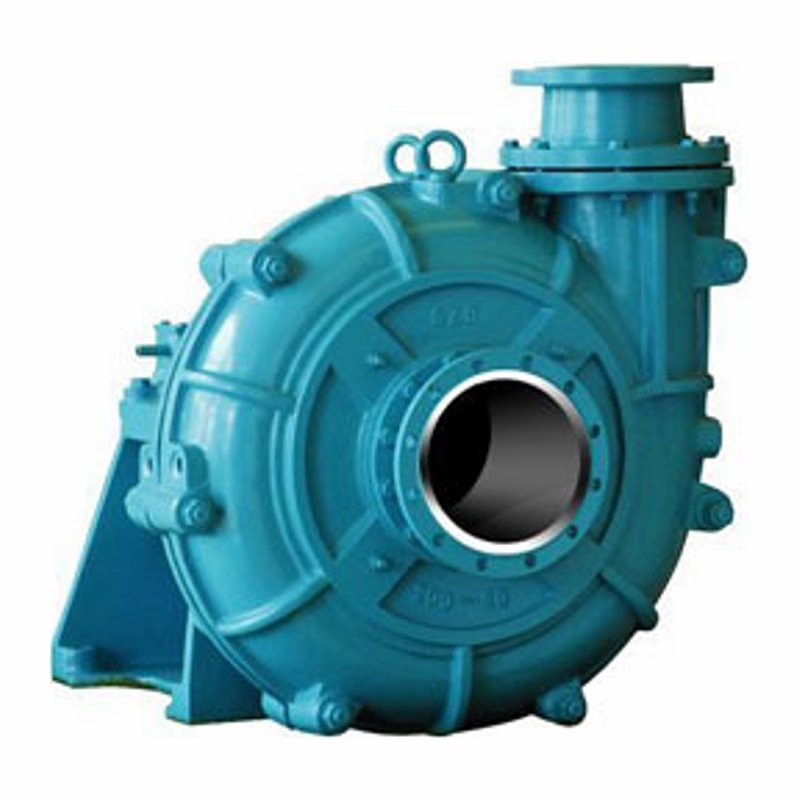
- Slurry Pump: Our slurry pumps are designed for use in applications where the fluid being pumped contains abrasive particles, such as mining, construction, and wastewater treatment. These pumps are made from high-quality materials, such as chrome alloy and rubber, to ensure their resistance to abrasion and corrosion.
- Clean Water Pump: Our clean water pumps are designed for use in applications where the fluid being pumped is clean and free of contaminants, such as water supply, irrigation, and HVAC systems. These pumps are made from stainless steel or cast iron to ensure their resistance to corrosion and their long service life.
- Stainless Steel Mag Drive Pump: Our stainless steel mag drive pumps are designed for use in applications where the fluid being pumped is corrosive or hazardous, such as chemical processing, pharmaceutical manufacturing, and food and beverage production. These pumps are made from high-quality stainless steel and feature a magnetic drive system, which eliminates the need for a mechanical seal and reduces the risk of leaks and spills.
Contact Us for Your Centrifugal Pump Needs
If you are looking for a centrifugal pump with excellent corrosion resistance, we invite you to contact us to discuss your specific requirements. Our team of experts will work with you to understand your application and recommend the right pump for your needs. We offer a wide range of pumps with different materials, sizes, and configurations, and we can also provide custom solutions to meet your unique requirements.
In conclusion, the corrosion resistance of a centrifugal pump is a crucial factor that should not be overlooked. By understanding the factors that affect corrosion resistance, choosing the right materials and pump for your specific application, and ensuring regular maintenance and cleaning, you can ensure the performance, reliability, and durability of your pump. At our company, we are committed to providing high-quality centrifugal pumps with excellent corrosion resistance, and we look forward to working with you to meet your pump needs.
References
- Fontana, M. G. (1986). Corrosion Engineering. McGraw-Hill.
- Uhlig, H. H., & Revie, R. W. (1985). Corrosion and Corrosion Control. Wiley.
- Schweitzer, P. A. (2004). Corrosion Resistance Tables. McGraw-Hill.