

Selecting the right two - rotor screw pump for a specific application can seem like a daunting task, especially if you're not too familiar with these mechanical beasts. As a two - rotor screw pump supplier, I've dealt with countless customers trying to figure out what model works best for them. In this blog, I'm going to break down the key factors you need to consider to make an informed decision.
Understanding Your Application
First things first, you need to have a clear picture of what you'll be using the pump for. Different applications have different requirements, and knowing these upfront will save you a lot of headaches.
Fluid Type
The type of fluid you're pumping is a critical factor. Are you dealing with thin, watery fluids like water or gasoline? Or thick, viscous substances such as oil or molasses? For thinner fluids, a pump with a certain design can handle higher flow rates. But when it comes to more viscous fluids, the pump needs to generate enough pressure to push the stuff through the system.
Let's say you're in the food industry and need to pump tomato sauce. Tomato sauce is a medium - viscous fluid. You'd want a two - rotor screw pump that can handle the viscosity without damaging the product. The gentle pumping action of a well - designed two - rotor screw pump is perfect for this as it minimizes shear forces, which could otherwise change the texture of the sauce.
Flow Rate Requirements
How much fluid do you need to move per unit of time? This is your flow rate. It's usually measured in gallons per minute (GPM) or liters per second (L/s). High - volume applications, like large - scale oil refineries, will require pumps with high flow rates. On the other hand, if you're running a small - scale chemical lab and need to transfer small amounts of a specialized fluid, a lower - flow rate pump will do the trick.
A good way to determine the right flow rate is to look at your production process. If you know how much fluid your system needs to process in a given time frame, you can calculate the required flow rate. And remember, it's better to have a pump with a slightly higher flow rate capacity than you think you need. This gives you some wiggle room in case your production needs increase in the future.
Pressure Requirements
Pressure is another important aspect. You need to know how much pressure the pump needs to generate to move the fluid through your system. This isn't just about getting the fluid from point A to point B but also about overcoming any resistance in the pipes, valves, and other components of your system.
For example, if you're pumping fluid up a tall building or through a long pipeline, you'll need a pump that can handle the increased pressure requirements. The two - rotor screw pump you choose should be able to provide the necessary pressure without overworking or breaking down.
Comparing with Other Screw Pumps
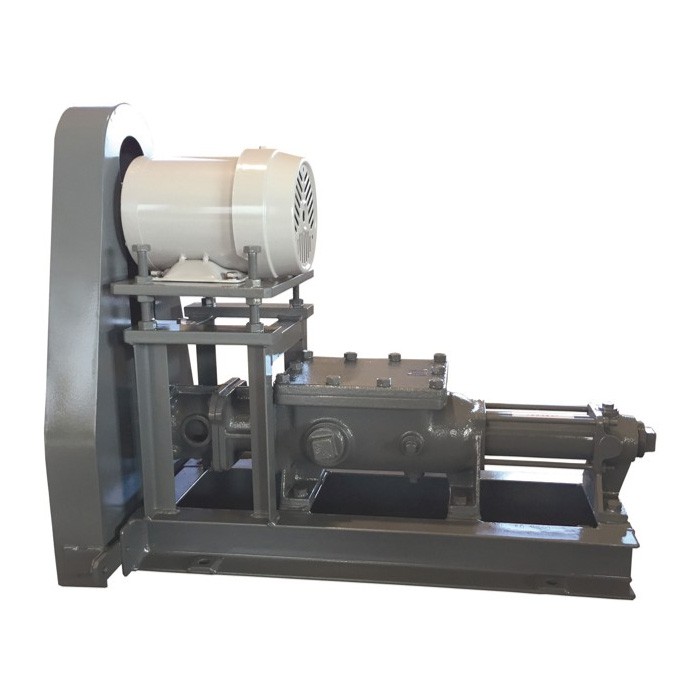
It's also a good idea to understand how two - rotor screw pumps stack up against other types of screw pumps. There are three main types of screw pumps: One Rotor Screw Pump, Two Rotor Screw Pump, and Three Rotor Screw Pump.
One Rotor Screw Pump
One - rotor screw pumps, also known as progressive cavity pumps, are great for handling very viscous fluids and fluids with solid particles. They work by creating a series of cavities within the pump that move the fluid along. However, they may not be as efficient for high - flow rate applications compared to two - rotor screw pumps.
Three Rotor Screw Pump
Three - rotor screw pumps are known for their smooth, pulsation - free flow. They're often used in applications where a consistent flow is critical, such as in hydraulic systems. But they might not be the best choice for handling fluids with large solid particles.
In comparison, two - rotor screw pumps offer a good balance. They can handle a wide range of viscosities, from thin to moderately thick fluids. They also provide a relatively smooth flow and can be adjusted to meet different flow rate and pressure requirements.

Pump Design and Construction
When selecting a two - rotor screw pump, take a close look at its design and construction.
Materials
The materials used in the pump's construction are crucial, especially when it comes to compatibility with the fluid you're pumping. If you're pumping corrosive fluids, like acids or alkalis, you'll need a pump made of corrosion - resistant materials such as stainless steel or certain plastics.
On the other hand, if you're dealing with abrasive fluids, you'll want a pump with parts that can withstand the wear and tear. Hardened steel or ceramics are good options for abrasive applications.
Seal and Bearing Design
The seals and bearings in the pump play a vital role in its performance and longevity. A good seal design prevents fluid leakage, which can not only cause a mess but also lead to safety hazards. The bearings should be of high quality and properly lubricated to ensure smooth operation and reduce friction.
Look for pumps with reliable seal and bearing systems. Some pumps come with advanced seal designs that can handle high pressures and temperatures, while others have self - lubricating bearings, which can reduce maintenance requirements.
Maintenance and Service
Maintenance is an often - overlooked but important factor when choosing a two - rotor screw pump. A pump that's easy to maintain can save you time and money in the long run.
Accessibility
Make sure the pump is designed in a way that allows easy access to its internal components. This will make it simpler to perform routine maintenance tasks such as cleaning, checking seals, and replacing worn - out parts.
Availability of Spare Parts
Check if the supplier can provide you with readily available spare parts. Having easy access to spare parts means that if something goes wrong with the pump, you can get it up and running again quickly.
Service and Support
A good supplier should offer excellent service and support. This includes technical advice, installation assistance, and after - sales service. When you have questions or run into problems, you want to be able to reach out to someone who can help you resolve them.
Energy Efficiency
In today's world, energy efficiency is a big deal. A more energy - efficient pump can save you a significant amount of money on your electricity bills over time.
Look for pumps with features that improve energy efficiency, such as variable speed drives. These drives allow you to adjust the pump's speed according to your actual needs, which can reduce energy consumption.
Also, consider the pump's overall design. Pumps with better hydraulic efficiency will use less energy to move the same amount of fluid.
Cost
Of course, cost is a major consideration for most people. When looking at the cost of a two - rotor screw pump, don't just focus on the initial purchase price. Consider the total cost of ownership, which includes not only the purchase price but also the cost of installation, maintenance, energy consumption, and potential downtime.
A slightly more expensive pump with high - quality components, better energy efficiency, and lower maintenance requirements may end up being more cost - effective in the long run than a cheaper pump that requires frequent repairs and uses a lot of energy.
Making the Final Decision
Once you've considered all these factors, it's time to make a decision. As a two - rotor screw pump supplier, I'd be happy to help you through this process. We have a wide range of pumps to suit different applications and requirements.
If you're still not sure which pump is right for you, don't hesitate to get in touch. We can provide you with detailed information, help you with the calculations, and even arrange a trial if needed. Whether you're a small - scale business or a large industrial operation, we can find the perfect two - rotor screw pump for your specific application. Contact us today to start the procurement process and find the best solution for your fluid - handling needs.
References
- Fluid Handling Handbook: This comprehensive resource provides in - depth information on different types of pumps, their applications, and selection criteria.
- Pump Manufacturer's Specifications: The technical specifications from pump manufacturers offer detailed information about each pump's performance, design, and capabilities.