

Rotor screw pumps are widely used in various industries for their ability to handle a wide range of fluids efficiently and reliably. As a rotor screw pump supplier, we understand that customers are often concerned about the cost of these pumps. The cost of a rotor screw pump is influenced by a multitude of factors, and in this blog post, we will delve into these factors to help you gain a better understanding of what goes into the pricing of these essential pieces of equipment.
1. Design and Type of Rotor Screw Pump
The design and type of the rotor screw pump play a significant role in determining its cost. There are primarily three types of rotor screw pumps: one rotor screw pump, two rotor screw pump, and three rotor screw pump.
-
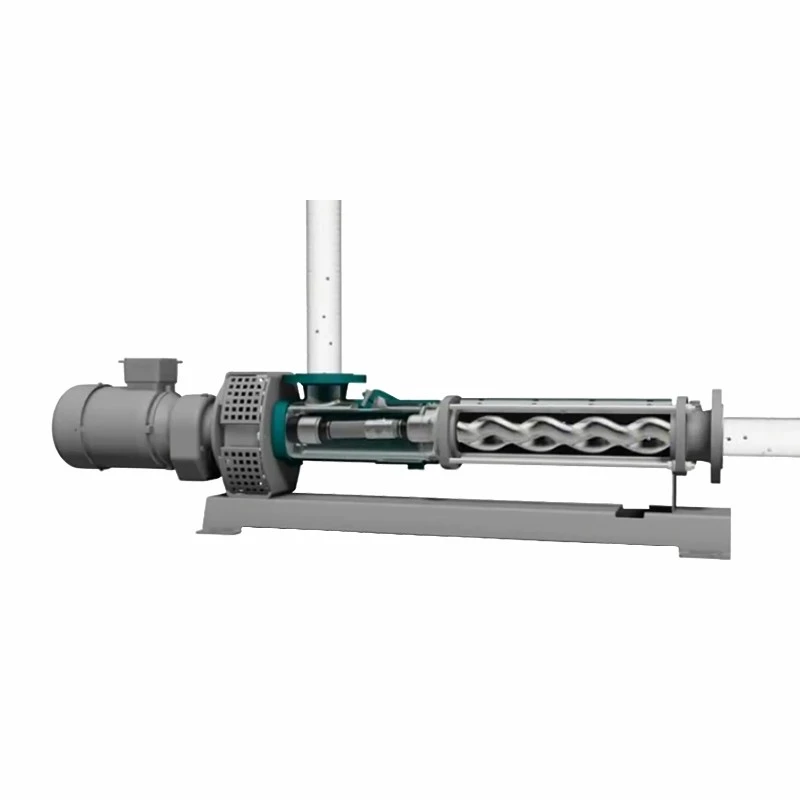
One Rotor Screw Pump: One Rotor Screw Pump typically has a simpler design compared to multi - rotor pumps. It consists of a single screw rotor that rotates within a stator. The simplicity of its design often results in a lower manufacturing cost, which is reflected in its price. These pumps are suitable for applications where the flow rate requirements are relatively low and the fluid is not highly viscous.

-
Two Rotor Screw Pump: Two Rotor Screw Pump features two intermeshing screw rotors. This design allows for a more balanced flow and better handling of higher flow rates and more viscous fluids compared to one - rotor pumps. The increased complexity in design and manufacturing, including the need for precise alignment of the two rotors, leads to a higher cost.
-
Three Rotor Screw Pump: Three Rotor Screw Pump is the most complex of the three types. It has three intermeshing screw rotors that work together to create a smooth and continuous flow. These pumps are capable of handling high - pressure applications and very viscous fluids. The advanced design, along with the precision manufacturing required to ensure the proper interaction of the three rotors, makes them the most expensive type of rotor screw pump.
2. Materials of Construction
The materials used in the construction of a rotor screw pump have a direct impact on its cost. Different applications require pumps to be made from materials that can withstand the specific properties of the fluid being pumped, such as corrosiveness, abrasiveness, and temperature.
-
Metallic Materials: Common metallic materials used in rotor screw pumps include cast iron, stainless steel, and alloy steels. Cast iron is a relatively inexpensive material and is often used for general - purpose applications where the fluid is not highly corrosive. Stainless steel, on the other hand, offers excellent corrosion resistance and is suitable for applications involving chemicals, food products, and pharmaceuticals. The cost of stainless - steel pumps is higher due to the cost of the raw material and the additional processing required to manufacture them. Alloy steels are used in applications where high strength and wear resistance are needed, such as in pumping abrasive fluids. These materials are more expensive than cast iron and even some grades of stainless steel.
-
Non - Metallic Materials: In some cases, non - metallic materials such as elastomers and plastics are used in the construction of rotor screw pumps. Elastomers are commonly used for stators as they provide a good seal and can withstand the movement of the rotors. The cost of non - metallic materials can vary depending on their quality and performance characteristics. High - performance elastomers and specialty plastics can be quite expensive, especially if they are designed to resist extreme temperatures or aggressive chemicals.
3. Pump Size and Capacity
The size and capacity of a rotor screw pump are important factors in determining its cost. Larger pumps with higher flow rates and pressure capabilities generally cost more than smaller pumps.
-
Flow Rate: Pumps designed to handle higher flow rates require larger rotors, stators, and housing. The increased size of these components means more material is used in the manufacturing process, which drives up the cost. Additionally, larger pumps may require more powerful motors to operate, which also adds to the overall cost.
-
Pressure Rating: Pumps with higher pressure ratings need to be more robustly constructed to withstand the internal pressures. This may involve using thicker walls for the housing, stronger rotors, and more precise manufacturing tolerances. All of these factors contribute to an increase in the cost of the pump.
4. Manufacturing Process
The manufacturing process of a rotor screw pump can significantly affect its cost. Precision manufacturing is required to ensure the proper operation of the pump, especially for multi - rotor pumps.
-
Machining and Assembly: The rotors and stators of a rotor screw pump need to be machined with high precision to ensure a proper fit and smooth operation. This often involves the use of advanced machining techniques such as CNC (Computer Numerical Control) machining. The cost of CNC machining equipment, along with the skilled labor required to operate it, adds to the manufacturing cost. Additionally, the assembly process of the pump requires careful alignment and calibration of the components, which also contributes to the overall cost.
-
Quality Control: Stringent quality control measures are essential to ensure that the pump meets the required performance standards. This includes testing the pump for flow rate, pressure, and efficiency. The cost of quality control equipment and the time spent on testing and inspection are factored into the price of the pump.
5. Brand and Reputation
The brand and reputation of the pump manufacturer can also influence the cost of a rotor screw pump. Well - established brands with a reputation for producing high - quality, reliable pumps often charge a premium for their products.
-
Quality Assurance: Reputable brands invest heavily in research and development, quality control, and customer support. They use the latest technologies and manufacturing processes to ensure that their pumps meet or exceed industry standards. Customers are willing to pay more for a pump from a trusted brand because they have confidence in the product's performance and durability.
-
After - Sales Service: Brands that offer excellent after - sales service, such as maintenance, repair, and spare parts availability, may charge a higher price for their pumps. The cost of providing these services is factored into the overall cost of the product.
6. Additional Features and Accessories
Some rotor screw pumps come with additional features and accessories that can increase their cost.
-
Variable Speed Drives: Variable speed drives allow the pump to adjust its speed according to the flow rate requirements. This feature can improve energy efficiency and process control but adds to the cost of the pump.
-
Monitoring and Control Systems: Pumps equipped with monitoring and control systems can provide real - time information about the pump's performance, such as flow rate, pressure, and temperature. These systems can help prevent pump failures and optimize the operation of the pump, but they also increase the overall cost.
-
Special Seals and Gaskets: In applications where leakage is a concern, special seals and gaskets may be required. These components can be more expensive than standard seals and gaskets, especially if they are designed to withstand high pressures or corrosive fluids.
In conclusion, the cost of a rotor screw pump is influenced by a variety of factors, including design, materials of construction, size and capacity, manufacturing process, brand and reputation, and additional features. As a rotor screw pump supplier, we are committed to providing our customers with high - quality pumps at competitive prices. We understand that each application is unique, and we work closely with our customers to recommend the most suitable pump based on their specific requirements and budget.
If you are in the market for a rotor screw pump, we invite you to contact us for a detailed consultation. Our team of experts will be happy to assist you in selecting the right pump for your application and provide you with a competitive quote. Let us help you find the most cost - effective solution for your fluid - handling needs.
References
- "Pump Handbook" by Igor Karassik et al.
- "Centrifugal and Positive Displacement Pumps: Theory, Design, and Application" by Heinz P. Bloch and Fred K. Geitner.