

When it comes to the selection of a rotor screw pump, there are multiple factors that need to be carefully considered. As a rotor screw pump supplier, I have witnessed firsthand the importance of making well - informed decisions in this regard. This blog will explore the key factors that should influence your choice when selecting a rotor screw pump.
1. Flow Rate Requirements
The flow rate is one of the most fundamental factors when choosing a rotor screw pump. It refers to the volume of fluid that the pump can transfer within a given period, usually measured in liters per minute (L/min) or cubic meters per hour (m³/h). You need to accurately assess the required flow rate for your specific application.
For instance, in a chemical processing plant where large - scale transfer of chemicals is involved, a high - flow - rate pump is necessary. On the other hand, in a small - scale laboratory setting for precise fluid dispensing, a pump with a lower and more accurate flow rate is appropriate. Our company offers a wide range of rotor screw pumps, including the Three Rotor Screw Pump, which can handle relatively high flow rates, making it suitable for industrial applications with large - volume fluid transfer needs.
2. Pressure Requirements
Pressure is another crucial factor. The pump must be able to generate sufficient pressure to overcome the resistance in the piping system and deliver the fluid to the desired location. The pressure is typically measured in pascals (Pa), bars, or pounds per square inch (psi).
In some applications, such as high - pressure hydraulic systems, a pump that can generate high pressures is essential. In contrast, for low - pressure applications like gravity - assisted fluid transfer in a short - distance pipeline, a lower - pressure pump will suffice. Our One Rotor Screw Pump is designed to provide a stable pressure output, which can be adjusted according to different pressure requirements, ensuring efficient fluid transfer in various scenarios.
3. Viscosity of the Fluid
The viscosity of the fluid being pumped has a significant impact on the pump selection. Viscosity is a measure of a fluid's resistance to flow. Fluids with high viscosity, such as heavy oils or syrups, require a pump that can handle the increased resistance.
Rotor screw pumps are well - suited for pumping viscous fluids because of their positive - displacement nature. The screw design of the pump can effectively move the viscous fluid through the pump chamber. However, different types of rotor screw pumps have different capabilities for handling viscosity. For extremely viscous fluids, our Two Rotor Screw Pump is a great option as it can provide a more powerful and stable pumping action, ensuring smooth transfer of high - viscosity fluids.
4. Chemical Compatibility
If the fluid being pumped is corrosive, abrasive, or chemically reactive, the materials of the pump components must be compatible with the fluid. Otherwise, the pump may be damaged, leading to reduced performance and a shorter service life.
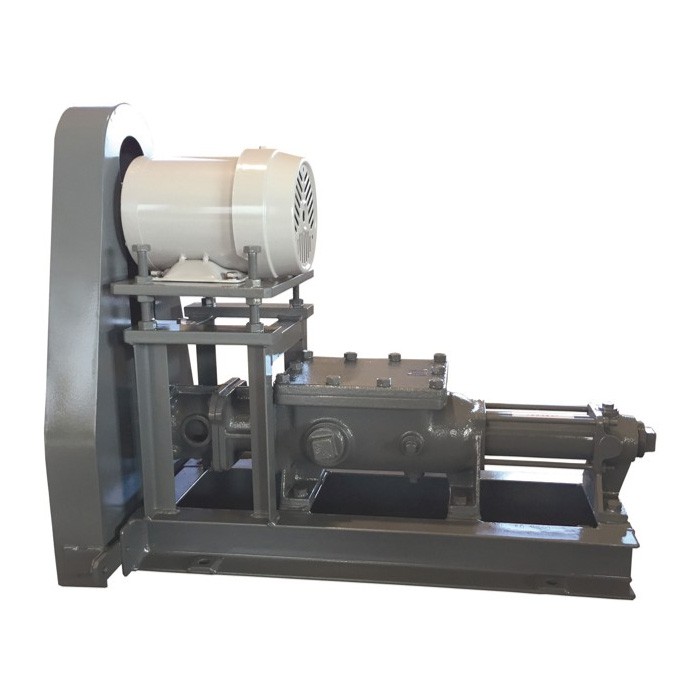

For example, when pumping acidic or alkaline chemicals, pumps made of corrosion - resistant materials such as stainless steel or special polymers should be selected. Our company offers rotor screw pumps with a variety of material options for the pump body, rotors, and seals to ensure chemical compatibility with different fluids. We can provide customized solutions based on the specific chemical properties of the fluid you need to pump.
5. Temperature of the Fluid
The temperature of the fluid also affects the pump selection. High - temperature fluids can cause thermal expansion of the pump components, which may affect the pump's performance and reliability. Additionally, some materials may lose their mechanical properties at high temperatures.
For high - temperature applications, pumps made of heat - resistant materials and with proper cooling mechanisms are required. Our rotor screw pumps can be designed to handle a wide range of fluid temperatures. We use advanced heat - resistant materials and engineering techniques to ensure that the pumps can operate stably under high - temperature conditions.
6. Noise and Vibration Levels
In some environments, such as hospitals, laboratories, or residential areas, low noise and vibration levels are essential. Excessive noise and vibration can not only cause discomfort but also indicate potential problems with the pump's operation.
Our rotor screw pumps are designed with advanced noise - reduction and vibration - damping technologies. The precision - engineered rotors and stable pumping mechanism help to minimize noise and vibration, ensuring a quiet and smooth operation. This makes our pumps suitable for applications where a quiet working environment is required.
7. Maintenance Requirements
Ease of maintenance is an important consideration. A pump that is difficult to maintain will result in higher downtime and maintenance costs. The design of the pump should allow for easy access to the internal components for inspection, cleaning, and replacement.
Our rotor screw pumps are designed with user - friendly maintenance in mind. The modular design of the pumps allows for quick disassembly and reassembly, reducing the time and effort required for maintenance. We also provide comprehensive maintenance manuals and after - sales support to ensure that our customers can keep their pumps in optimal condition.
8. Cost - effectiveness
Finally, cost - effectiveness is a major factor in the pump selection process. This includes not only the initial purchase cost of the pump but also the operating costs, such as energy consumption, maintenance costs, and replacement part costs over the pump's service life.
Our company offers high - quality rotor screw pumps at competitive prices. We strive to provide cost - effective solutions by optimizing the pump design for energy efficiency and using high - quality yet cost - effective materials. By choosing our pumps, you can achieve a good balance between performance and cost.
In conclusion, selecting the right rotor screw pump requires a comprehensive consideration of multiple factors, including flow rate, pressure, viscosity, chemical compatibility, temperature, noise and vibration levels, maintenance requirements, and cost - effectiveness. As a rotor screw pump supplier, we are committed to helping our customers make the best choices based on their specific needs. If you are in the process of selecting a rotor screw pump for your application, please feel free to contact us for professional advice and solutions. We look forward to working with you to meet your fluid transfer requirements.
References
- Pump Handbook, Karassik et al.
- Chemical Engineering Fluid Mechanics, Ron Darby.
- Positive Displacement Pumps: Principles and Applications, Heinz P. Bloch.