

The self-priming ability of a rotor screw pump is a critical characteristic that significantly influences its application across various industries. As a leading supplier of rotor screw pumps, I have witnessed firsthand how this feature can either make or break a pump's performance in specific settings. In this blog, I will delve into the concept of self-priming, explore its impact on the application of rotor screw pumps, and discuss the implications for potential customers.
Understanding Self-Priming in Rotor Screw Pumps
Self-priming refers to a pump's ability to evacuate air from the suction line and prime itself without the need for external priming devices. This is a crucial feature, especially in applications where the pump may need to start from a dry condition or when the liquid source is located below the pump. In a rotor screw pump, self-priming is achieved through the design of the screw rotors and the pump chamber.
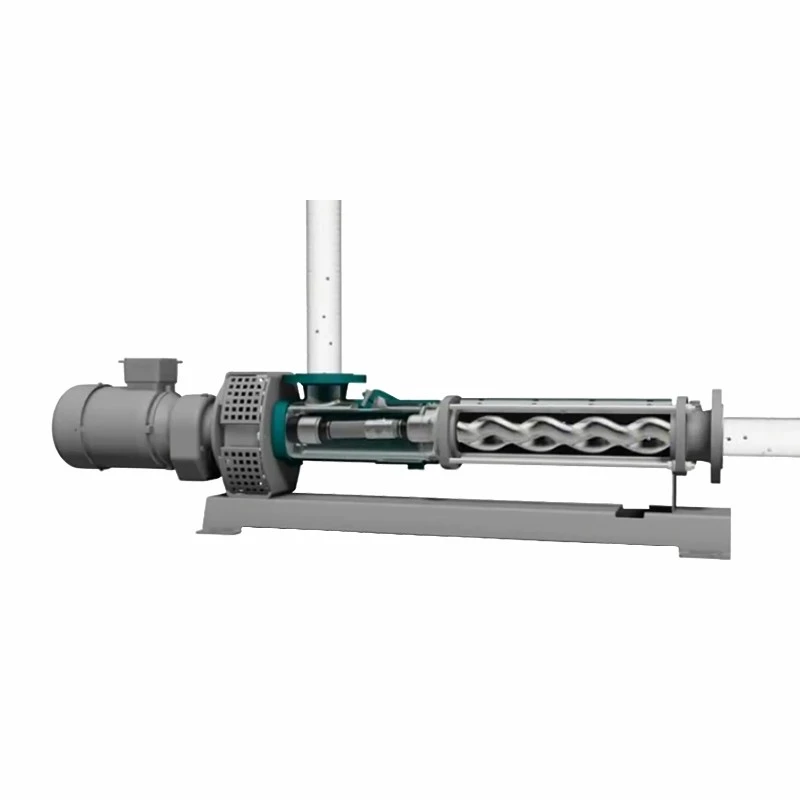
The screw rotors in a rotor screw pump are helical in shape and mesh together to form a series of sealed chambers. As the rotors rotate, these chambers move along the length of the pump, creating a suction force at the inlet and a discharge force at the outlet. When the pump is started, the rotation of the rotors begins to draw air out of the suction line and into the pump chamber. As the air is displaced by the incoming liquid, the pump becomes primed and can start pumping the liquid effectively.
Impact of Self-Priming Ability on Applications
1. Oil and Gas Industry
In the oil and gas industry, rotor screw pumps are commonly used for transferring various types of fluids, including crude oil, refined products, and lubricants. The self-priming ability of these pumps is essential in this industry, as it allows for quick and efficient startup, even when the pump is located above the liquid source. For example, in offshore oil platforms, pumps may need to be primed before they can start transferring oil from storage tanks to processing facilities. A self-priming rotor screw pump can eliminate the need for additional priming equipment, reducing downtime and increasing operational efficiency.
Moreover, the self-priming feature also enables the pump to handle varying levels of liquid in the suction line. In oil storage tanks, the liquid level can fluctuate depending on the amount of oil being stored and transferred. A self-priming pump can continue to operate effectively even when the liquid level drops, ensuring a continuous flow of oil. This is particularly important in applications where a consistent flow rate is required, such as in pipeline transportation.
2. Chemical Processing
The chemical processing industry requires pumps that can handle a wide range of corrosive and abrasive fluids. Self-priming rotor screw pumps are well-suited for this application, as they can be designed with materials that are resistant to chemical attack. The self-priming ability of these pumps allows for easy startup and operation, even when dealing with hazardous chemicals.
For instance, in the production of fertilizers, pumps are used to transfer various chemicals, such as ammonia and phosphoric acid. These chemicals can be highly corrosive and require pumps that can withstand their harsh properties. A self-priming rotor screw pump made of corrosion-resistant materials, such as stainless steel or special alloys, can ensure reliable and long-term operation. Additionally, the self-priming feature allows for quick and safe startup, reducing the risk of spills and leaks during the priming process.
3. Food and Beverage Industry
In the food and beverage industry, hygiene and sanitation are of utmost importance. Rotor screw pumps with self-priming ability are commonly used for transferring liquids such as milk, fruit juices, and beer. The self-priming feature allows for easy cleaning and sterilization of the pump, as it can be quickly emptied and filled with cleaning solutions.
For example, in a dairy processing plant, pumps are used to transfer milk from storage tanks to processing equipment. After each production run, the pumps need to be thoroughly cleaned to prevent the growth of bacteria and ensure product quality. A self-priming rotor screw pump can be easily primed with cleaning solutions, allowing for efficient cleaning and disinfection. This helps to maintain the high standards of hygiene required in the food and beverage industry.
4. Marine and Shipbuilding
In the marine and shipbuilding industry, rotor screw pumps are used for various applications, including bilge pumping, ballast water management, and fuel transfer. The self-priming ability of these pumps is crucial in this environment, as it allows for reliable operation even in rough sea conditions.
For instance, in bilge pumping systems, pumps are used to remove water that has accumulated in the bilge of a ship. The self-priming feature enables the pump to start pumping water immediately, even when the pump is located above the water level. This is important in preventing flooding and ensuring the safety of the ship. Additionally, in fuel transfer applications, a self-priming rotor screw pump can quickly prime itself and start transferring fuel from storage tanks to the ship's engines, ensuring a continuous supply of fuel.
Types of Rotor Screw Pumps and Their Self-Priming Capabilities
There are several types of rotor screw pumps, including One Rotor Screw Pump, Two Rotor Screw Pump, and Three Rotor Screw Pump. Each type has its own unique design and self-priming capabilities.
1. One Rotor Screw Pump
A one rotor screw pump, also known as a single-screw pump, consists of a single helical rotor that rotates inside a stator. This type of pump is known for its high self-priming ability, as the helical shape of the rotor creates a strong suction force. One rotor screw pumps are commonly used in applications where the fluid contains solids or has a high viscosity, such as in sewage treatment plants and pulp and paper mills.
2. Two Rotor Screw Pump
A two rotor screw pump has two intermeshing helical rotors that rotate in opposite directions. This type of pump offers good self-priming performance and is suitable for a wide range of applications, including oil and gas, chemical processing, and food and beverage. Two rotor screw pumps are known for their smooth and pulsation-free operation, making them ideal for applications where a consistent flow rate is required.
3. Three Rotor Screw Pump
A three rotor screw pump consists of three intermeshing helical rotors that rotate in a coordinated manner. This type of pump provides excellent self-priming ability and high efficiency. Three rotor screw pumps are commonly used in high-pressure applications, such as in hydraulic systems and power generation plants.
Considerations for Customers
When choosing a rotor screw pump for a specific application, customers should consider the self-priming ability of the pump, along with other factors such as flow rate, pressure, and fluid properties. Here are some key considerations:
1. Suction Lift
The suction lift is the vertical distance between the liquid source and the pump inlet. A pump with a higher self-priming ability can handle a greater suction lift. Customers should determine the maximum suction lift required for their application and choose a pump that can meet this requirement.
2. Fluid Viscosity
The viscosity of the fluid being pumped can affect the self-priming performance of the pump. Higher viscosity fluids may require a pump with a stronger self-priming ability. Customers should provide information about the viscosity of the fluid to the pump supplier to ensure that the selected pump can handle the fluid effectively.
3. Operating Conditions
The operating conditions, such as temperature, pressure, and the presence of solids or abrasives in the fluid, can also impact the self-priming ability of the pump. Customers should consider these factors when selecting a pump and ensure that the pump is designed to operate under the specific conditions of their application.
Conclusion
The self-priming ability of a rotor screw pump is a crucial factor that can significantly impact its application across various industries. Whether it's in the oil and gas, chemical processing, food and beverage, or marine and shipbuilding industries, a self-priming pump can provide quick and efficient startup, reliable operation, and reduced downtime. As a rotor screw pump supplier, we understand the importance of this feature and offer a wide range of pumps with different self-priming capabilities to meet the diverse needs of our customers.

If you are looking for a high-quality rotor screw pump for your specific application, we encourage you to contact us for more information. Our team of experts can help you select the right pump based on your requirements and provide you with professional advice and support. Let's work together to find the best pumping solution for your business.
References
- Karassik, I. J., Messina, J. P., Cooper, P. T., & Heald, C. C. (2008). Pump Handbook. McGraw-Hill Professional.
- Stepanoff, A. J. (1957). Centrifugal and Axial Flow Pumps: Theory, Design, and Application. Wiley.
- Walas, S. M. (1988). Chemical Process Equipment: Selection and Design. Butterworth-Heinemann.