

Hey there! As a supplier of One Rotor Screw Pumps, I've seen firsthand how these pumps can be real workhorses in various industries. But like any piece of equipment, they need proper maintenance to keep running smoothly. In this blog, I'm gonna share some tips on how to maintain a One Rotor Screw Pump.

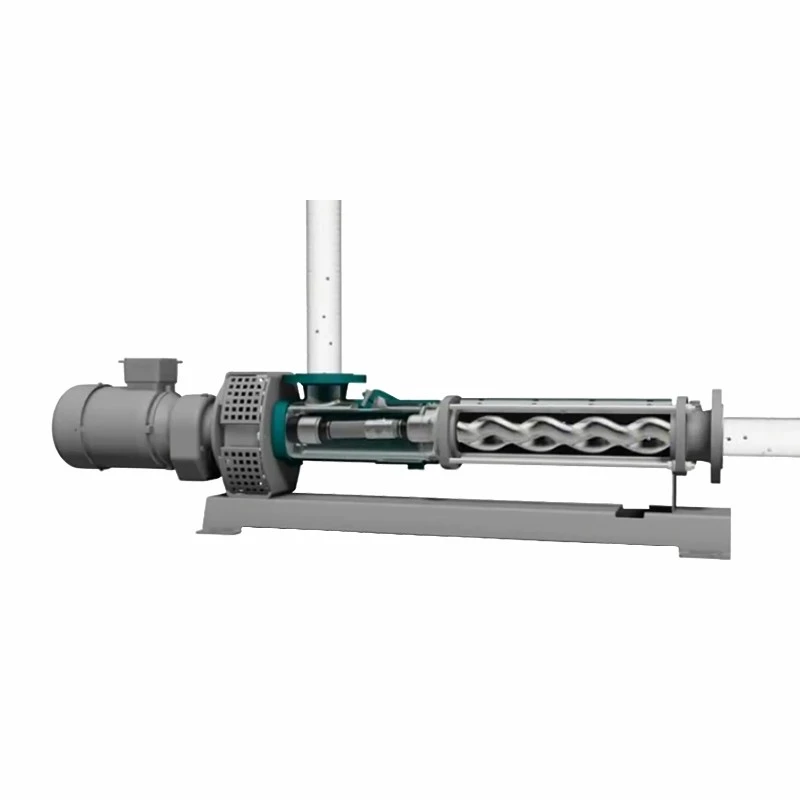
Understanding the One Rotor Screw Pump
First off, let's quickly go over what a One Rotor Screw Pump is. It's a type of positive displacement pump that uses a single screw - the rotor - to move fluid through the pump. These pumps are great for handling viscous fluids, slurries, and even some abrasive materials. They're used in industries like food processing, chemical manufacturing, and wastewater treatment. You can learn more about them One Rotor Screw Pump.
Regular Inspections
One of the most important things you can do is conduct regular inspections. Start by visually checking the pump for any signs of wear or damage. Look at the rotor, the stator, and the seals. If you notice any cracks, chips, or excessive wear, it's time to take action.
Check the alignment of the pump. Misalignment can cause excessive vibration, which can lead to premature wear on the bearings and other components. You can use a laser alignment tool to make sure everything is in place.
Also, keep an eye on the temperature of the pump. If it's running too hot, it could be a sign of a problem, like a clogged inlet or a worn - out bearing. Use an infrared thermometer to check the temperature regularly.
Lubrication
Proper lubrication is crucial for the life of your One Rotor Screw Pump. The bearings and the seals need to be lubricated according to the manufacturer's recommendations. Use the right type of lubricant - don't just use any old oil or grease.
Over - lubrication can be just as bad as under - lubrication. Too much lubricant can cause the pump to overheat and can also attract dirt and debris. Make sure you follow the recommended lubrication schedule and use the correct amount.
Cleaning
The pump needs to be kept clean. Regularly clean the inlet and outlet ports to prevent clogs. If the fluid you're pumping contains solids or debris, consider using a filter upstream of the pump.
Clean the exterior of the pump as well. Dirt and grime can build up on the pump, which can affect its performance and make it harder to spot potential problems. Use a mild detergent and a soft brush to clean the pump.
Seal Maintenance
The seals in the One Rotor Screw Pump are critical. They prevent fluid from leaking out of the pump and also keep contaminants from getting in. Check the seals regularly for signs of wear or leakage.
If you notice any leaks, replace the seals as soon as possible. A small leak can quickly turn into a big problem and can cause damage to other components of the pump.
Rotor and Stator Care
The rotor and stator are the heart of the One Rotor Screw Pump. Over time, they can wear out, especially if the pump is handling abrasive fluids. Inspect the rotor and stator for signs of wear regularly.
If the wear is minor, you may be able to have the rotor and stator re - machined. But if the wear is severe, you'll need to replace them. Using high - quality replacement parts is important to ensure the continued performance of the pump.
Monitoring Performance
Keep track of the pump's performance. Monitor the flow rate, pressure, and power consumption. Any significant changes in these parameters could indicate a problem with the pump.
For example, if the flow rate drops, it could be due to a clog, a worn - out rotor, or a problem with the motor. If the pressure is too high or too low, it could be a sign of a blockage or a problem with the system.
Training Your Staff
Make sure your staff is properly trained to operate and maintain the One Rotor Screw Pump. They should know how to perform the regular inspections, lubrication, and cleaning tasks.
Training can also help prevent operator error, which can cause damage to the pump. Provide your staff with the necessary manuals and safety guidelines.
Comparing with Other Screw Pumps
It's also interesting to compare the One Rotor Screw Pump with other types of screw pumps, like the Two Rotor Screw Pump and the Three Rotor Screw Pump. Each type has its own advantages and disadvantages, and understanding these can help you make the right choice for your specific application.
Conclusion
Maintaining a One Rotor Screw Pump takes time and effort, but it's definitely worth it. By following these tips, you can extend the life of your pump, reduce downtime, and save money in the long run.
If you're in the market for a One Rotor Screw Pump or need replacement parts, we're here to help. We offer high - quality pumps and parts, as well as expert advice on maintenance and operation. Contact us to start a procurement discussion and find the best solution for your needs.
References
- Manufacturer's manuals for One Rotor Screw Pumps
- Industry standards for pump maintenance and operation
- Technical papers on positive displacement pumps