

In the realm of fluid transfer and pumping solutions, screw pumps have established themselves as reliable workhorses. Among them, the two - rotor screw pump holds a special place due to its unique design and performance characteristics. As a supplier of Two Rotor Screw Pumps, I often get asked about the maintenance cycle of these pumps. In this blog, I'll delve into the factors that influence the maintenance cycle and provide some guidelines to help you optimize the performance and longevity of your two - rotor screw pump.
Understanding the Two - Rotor Screw Pump
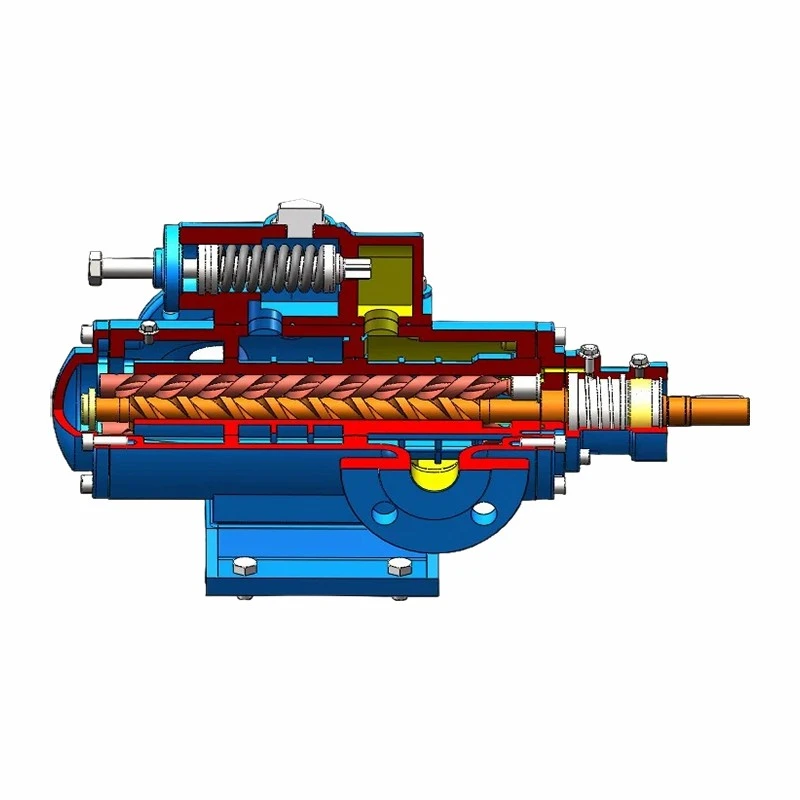
Before discussing the maintenance cycle, it's essential to have a basic understanding of how a two - rotor screw pump works. A Two Rotor Screw Pump consists of two intermeshing screws that rotate in opposite directions within a casing. As the screws turn, they create cavities that trap and transport fluid from the suction side to the discharge side. This positive displacement action allows for a smooth, continuous flow of fluid, making it suitable for a wide range of applications, including oil and gas, chemical processing, and food and beverage industries.
Factors Affecting the Maintenance Cycle
The maintenance cycle of a two - rotor screw pump is influenced by several factors, including the operating conditions, the type of fluid being pumped, and the quality of the pump itself.
Operating Conditions
The operating conditions play a crucial role in determining the frequency of maintenance. Pumps that operate under high pressure, high temperature, or with a high flow rate are likely to experience more wear and tear than those operating under normal conditions. For example, a pump used in an oil refinery where it has to handle hot, viscous fluids at high pressures will require more frequent maintenance compared to a pump used in a water treatment plant where the operating conditions are relatively mild.
Type of Fluid
The type of fluid being pumped also has a significant impact on the maintenance cycle. Fluids that are abrasive, corrosive, or contain solid particles can cause accelerated wear on the pump components. For instance, pumping a slurry containing sand or other abrasive particles can quickly wear down the screws and the casing. On the other hand, pumping a clean, non - corrosive fluid like water will result in less wear and a longer maintenance cycle.
Quality of the Pump
The quality of the pump itself is another important factor. A high - quality pump built with durable materials and precision manufacturing processes will generally require less maintenance compared to a lower - quality pump. When choosing a two - rotor screw pump, it's important to select a pump from a reputable manufacturer that uses high - grade materials and has a proven track record of reliability.
General Maintenance Guidelines
Based on the above factors, here are some general maintenance guidelines for a two - rotor screw pump:
Regular Inspections
Regular inspections are essential to detect any signs of wear or damage early. Inspect the pump components, including the screws, casing, seals, and bearings, for signs of wear, corrosion, or damage. Check for leaks around the seals and connections. It's recommended to conduct visual inspections at least once a month for pumps operating under normal conditions and more frequently for pumps operating under harsh conditions.
Lubrication
Proper lubrication is crucial for the smooth operation of the pump. The bearings and gears of the pump need to be lubricated regularly to reduce friction and prevent wear. Follow the manufacturer's recommendations regarding the type of lubricant to use and the lubrication intervals. Over - lubrication can also cause problems, so it's important to use the correct amount of lubricant.
Seal Replacement
The seals of the pump prevent the fluid from leaking out. Over time, the seals can wear out or become damaged, leading to leaks. It's important to replace the seals at regular intervals to prevent fluid leakage and ensure the efficient operation of the pump. The seal replacement interval will depend on the type of fluid being pumped and the operating conditions.
Cleaning
Cleaning the pump regularly is important to prevent the buildup of dirt, debris, and other contaminants. Flush the pump with a suitable cleaning solution after each use or at regular intervals, especially if the fluid being pumped is likely to leave deposits. This will help to maintain the efficiency of the pump and prevent damage to the components.
Maintenance Cycle Recommendations
While it's difficult to provide a one - size - fits - all maintenance cycle for a two - rotor screw pump, here are some general recommendations based on different operating conditions:
Mild Operating Conditions
For pumps operating under mild conditions, such as pumping clean water at low pressures and temperatures, the maintenance cycle can be relatively long. A typical maintenance schedule might include monthly visual inspections, quarterly lubrication, and seal replacement every 12 - 18 months.
Harsh Operating Conditions
For pumps operating under harsh conditions, such as pumping abrasive or corrosive fluids at high pressures and temperatures, the maintenance cycle will be much shorter. In such cases, weekly visual inspections, bi - monthly lubrication, and seal replacement every 6 - 12 months may be necessary.
Comparing with Other Screw Pumps
It's also worth comparing the maintenance cycle of a two - rotor screw pump with other types of screw pumps, such as One Rotor Screw Pump and Three Rotor Screw Pump. One - rotor screw pumps are generally simpler in design and may require less maintenance in some applications. However, they may not be suitable for high - pressure or high - flow applications. Three - rotor screw pumps, on the other hand, are more complex but can handle higher pressures and flows. The maintenance cycle of a three - rotor screw pump will also depend on the operating conditions but may be similar to that of a two - rotor screw pump in many cases.
Importance of Following the Maintenance Cycle
Following the recommended maintenance cycle is crucial for several reasons. Firstly, it helps to ensure the reliable operation of the pump. A well - maintained pump is less likely to break down, which can result in costly downtime and production losses. Secondly, proper maintenance can extend the lifespan of the pump, reducing the need for frequent replacements. Finally, it can also help to improve the efficiency of the pump, reducing energy consumption and operating costs.
Contact Us for Your Two - Rotor Screw Pump Needs
If you're in the market for a two - rotor screw pump or need more information about maintenance and servicing, we're here to help. As a leading supplier of Two Rotor Screw Pumps, we offer a wide range of pumps to suit different applications and operating conditions. Our team of experts can provide you with detailed advice on pump selection, installation, and maintenance. Contact us today to start a discussion about your specific requirements and how we can help you find the best pumping solution for your needs.
References
- "Positive Displacement Pumps: Selection and Application" by Heinz P. Bloch and Fred K. Geitner
- "Pump Handbook" by Igor J. Karassik, Joseph P. Messina, Paul Cooper, and Charles C. Heald
- Manufacturer's manuals and technical documents for two - rotor screw pumps.